

Web Analytics
Bangla
Loading date...
RECENT THREADS SOCIAL PAGE LOGIN

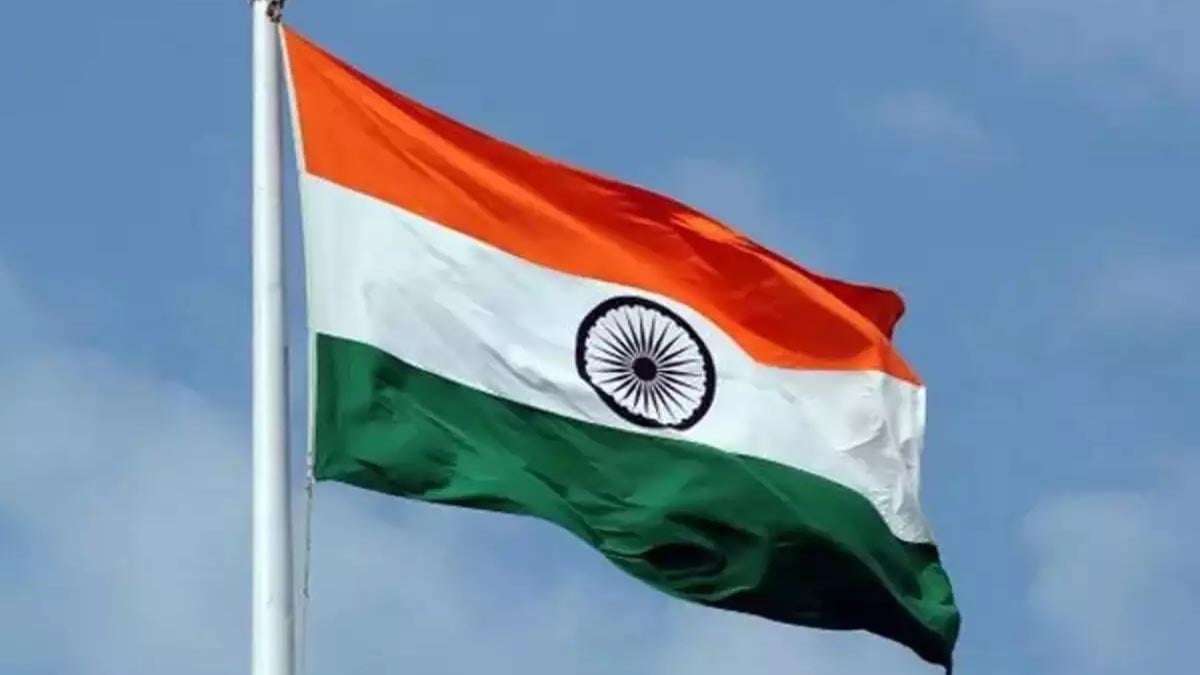
India’s policy of strategic autonomy—maintaining independent foreign and defense decisions without external pressure—is under growing strain as global polarization deepens. Once rooted in the Non-Aligned Movement and symbolizing postcolonial independence, the approach now faces rising economic, military, and diplomatic costs. India’s balancing act among the United States, Russia, and China has become increasingly difficult, with each relationship presenting new constraints and limited reciprocal benefits.

The article notes that India’s refusal to support Western sanctions on Russia while importing discounted energy has drawn scrutiny and trade pressure from Washington. Simultaneously, India’s dependence on Chinese intermediate goods persists despite recurring border tensions, widening its trade deficit. Russia’s supply limitations due to the Ukraine conflict have also burdened India’s defense operations. Although India has deepened cooperation with Western partners, its access to advanced technology remains restricted.

Diplomatically, India’s cautious stance on global conflicts has led to perceptions of isolation, as it struggles to secure meaningful concessions from allies. The analysis concludes that strategic autonomy, once a shield of sovereignty, now risks becoming a liability unless India redefines its priorities and diversifies its partnerships.

Card image

News Source

Amar Desh 30 Jan 26

কৌশলগত স্বায়ত্তশাসন এখন ভারতের গলার ফাঁস | আমার দেশ

মকবুল শাহ প্রকাশ : ৩০ জানুয়ারি ২০২৬, ০৯: ১৯আপডেট : ৩০ জানুয়ারি ২০২৬, ০৯: ৪৩ মকবুল শাহ কৌশলগত স্বায়ত্তশাসন বা স্ট্র্যাটেজিক অটোনমি হচ্ছে কোনো বহিরাগত চাপ বা সামরিক জোটের বাধ্যবাধকতা মেনে চলা ছাড়াই স্বাধীন পররাষ্ট্রনীতি অনুসরণ এবং প্রতিরক্ষা ক্ষেত্রে


The ‘1 Nojor’ media platform is now live in beta, inviting users to explore and provide feedback as we continue to refine the experience.