
The ‘1 Nojor’ media platform is now live in beta, inviting users to explore and provide feedback as we continue to refine the experience.
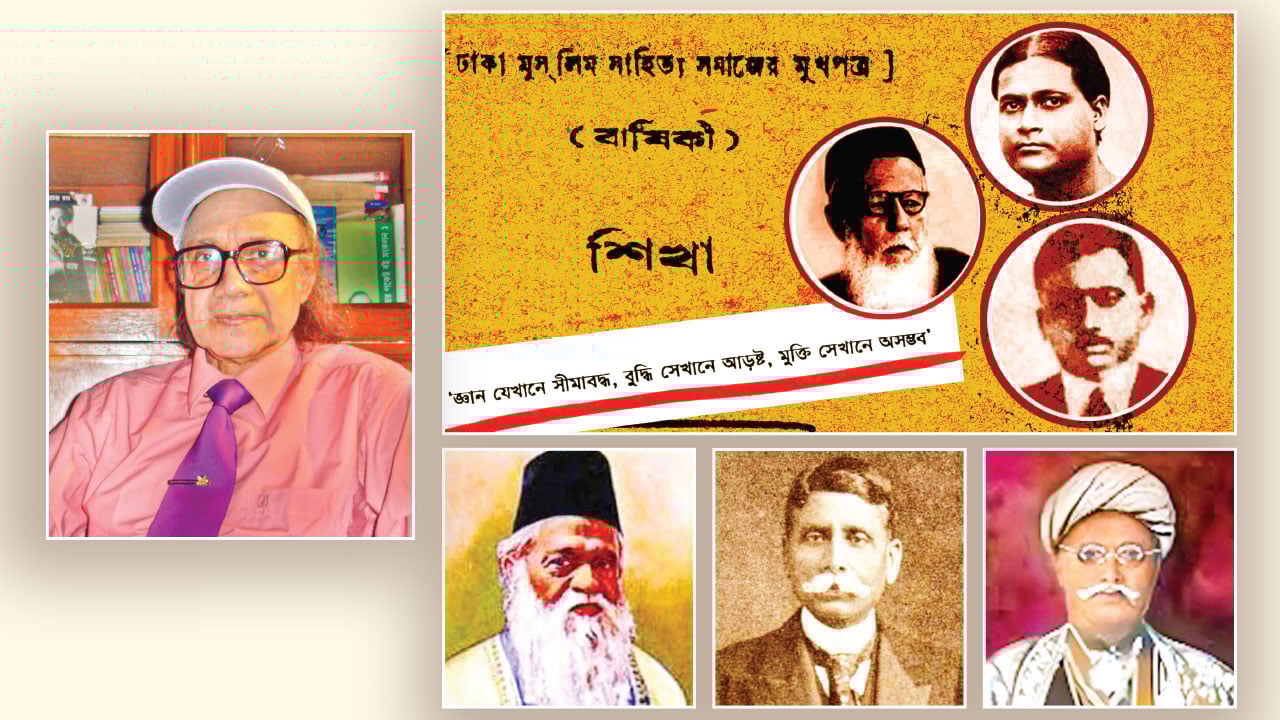
Writer Gazi Giyas Uddin’s article revisits researcher Abdul Mannan Syed’s analysis of the Bengali Muslim literary awakening. Syed argued that British colonial rule erased the memory of Muslims’ major role in medieval Bengali literature. He noted that after the 1947 Partition, Dhaka transformed into the new capital of Bengali literature and culture, marking an unprecedented cultural resurgence. The 1952 Language Movement further deepened this awakening across poetry, prose, art, and music, giving modern Bengali literature a distinctive national identity.
Syed traced this revival through key figures and institutions such as Nawab Abdul Latif’s Mohammedan Literary Society (1863), Syed Ameer Ali’s National Mohammedan Association (1878), and the Bangiya Mussalman Sahitya Samiti (1911). He credited journals like Bangiya Mussalman Sahitya Patrika and Saugat for nurturing writers including Kazi Nazrul Islam. Syed emphasized that despite a shared language, East Bengal’s literature developed its own character, shaped by Muslim intellectual and social movements.
He also lamented the exclusion of Muslim writers from major anthologies and reaffirmed Nazrul’s place among the four greatest modern Bengali poets, alongside Michael Madhusudan Dutt, Rabindranath Tagore, and Jibanananda Das.

The ‘1 Nojor’ media platform is now live in beta, inviting users to explore and provide feedback as we continue to refine the experience.