
The ‘1 Nojor’ media platform is now live in beta, inviting users to explore and provide feedback as we continue to refine the experience.
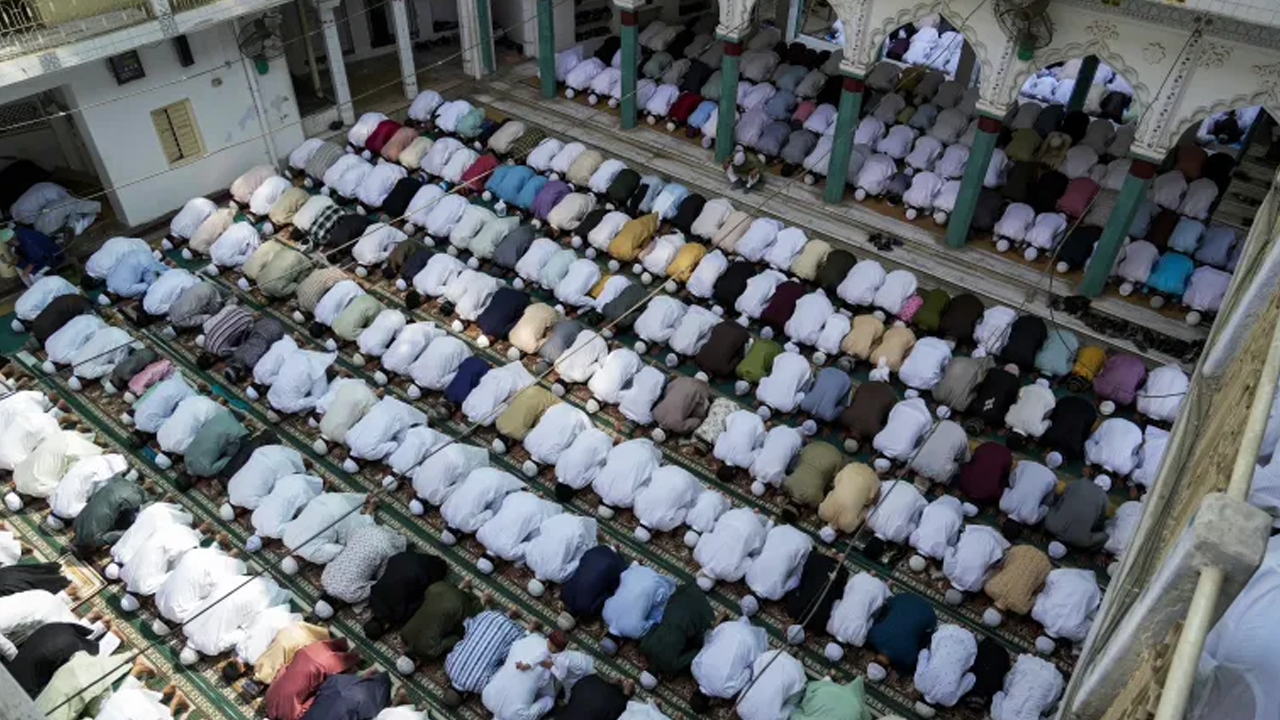
Muslims across several Indian states, particularly in Uttar Pradesh, have expressed growing concern over restrictions on Eid al-Adha prayers. Administrative measures limiting prayers in open fields, roads, or public spaces, along with opposition from right-wing Hindu groups, have left many communities struggling to find adequate prayer venues. In Meerut’s Maliyana village, mosque committees instructed worshippers to avoid crowds, ignore provocations, and refrain from filming during prayers.
Local residents reported fear of police action or harassment if they pray in open areas. Since Prime Minister Narendra Modi came to power in 2014, right-wing Hindu organizations have increasingly opposed public prayers, citing traffic and security issues. The Vishva Hindu Parishad recently demanded a nationwide ban on street prayers. Uttar Pradesh Chief Minister Yogi Adityanath urged Muslims to pray in shifts, warning of “other measures” for noncompliance, which has heightened anxiety.
Human rights activists argue that while restrictions are imposed on Muslim gatherings, large Hindu religious events receive administrative support, raising concerns about religious freedom and equal application of the law.

The ‘1 Nojor’ media platform is now live in beta, inviting users to explore and provide feedback as we continue to refine the experience.