
The ‘1 Nojor’ media platform is now live in beta, inviting users to explore and provide feedback as we continue to refine the experience.
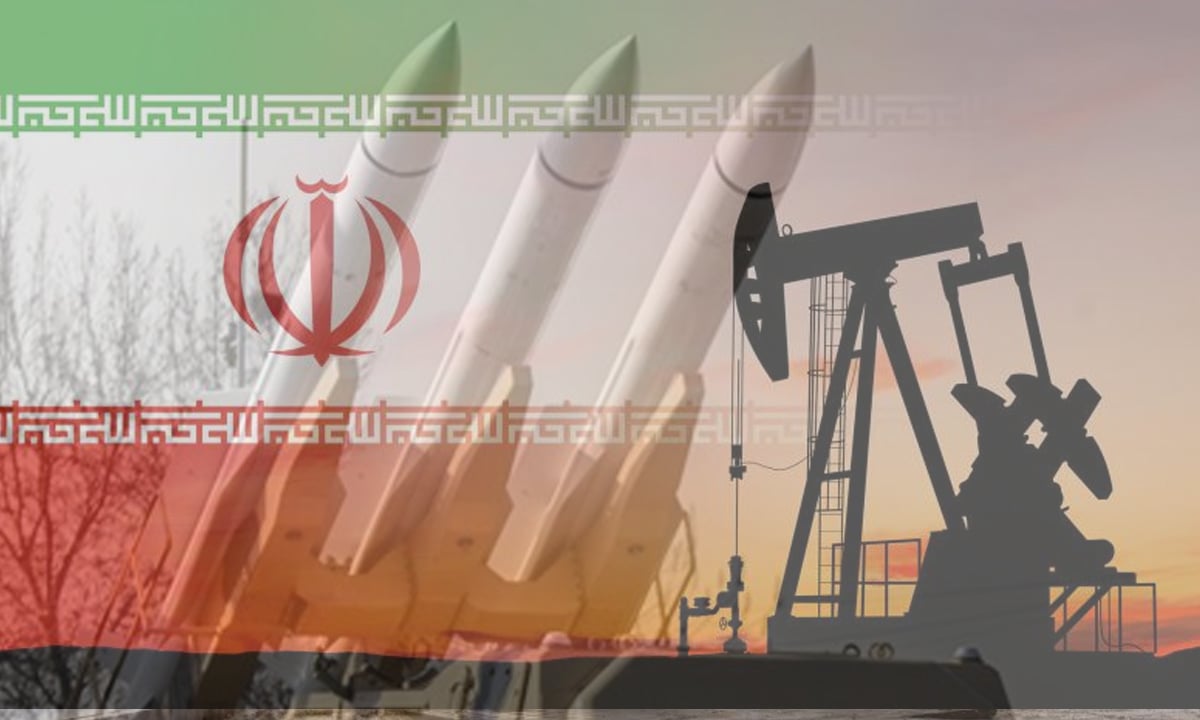
Iran’s blockade of the Strait of Hormuz following a joint US-Israel strike on February 28 has disrupted global oil and gas supplies, pushing Brent crude prices above 100 dollars per barrel from around 65 dollars before the conflict. In response, many nations have begun releasing oil from their strategic reserves to stabilize markets and avoid deeper economic shocks.
On March 11, the International Energy Agency (IEA) announced that its 32 member countries would release 400 million barrels of oil from emergency reserves, marking the largest coordinated release in the agency’s history. The IEA’s members collectively hold over 1.2 billion barrels of government reserves, with an additional 600 million barrels in private storage. China, though not an IEA member, also maintains significant reserves.
Major reserve holders include the United States with 415 million barrels, Japan with 470 million, and the United Kingdom with 68 million barrels of crude and refined products. European Union members such as Germany, France, Spain, and Italy have also committed to releasing portions of their reserves to mitigate supply disruptions caused by the Hormuz closure.

The ‘1 Nojor’ media platform is now live in beta, inviting users to explore and provide feedback as we continue to refine the experience.