
The ‘1 Nojor’ media platform is now live in beta, inviting users to explore and provide feedback as we continue to refine the experience.
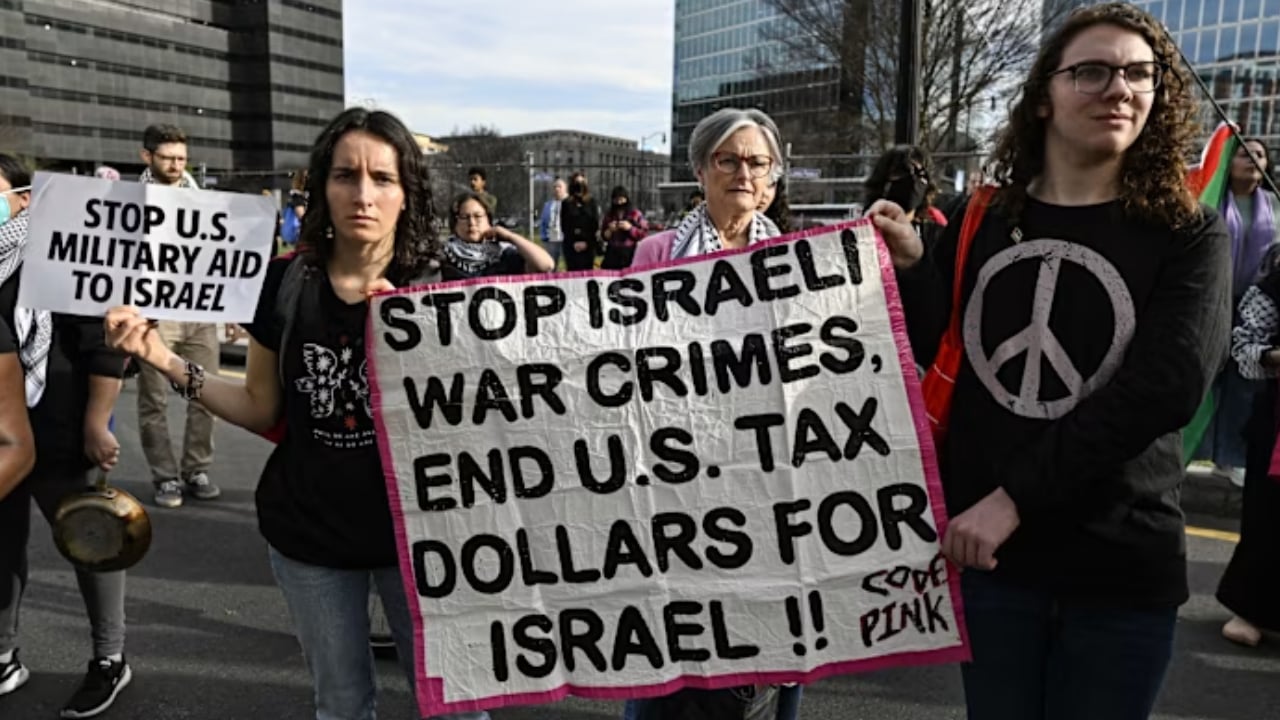
Debate and public dissatisfaction over the political influence of the American Israel Public Affairs Committee, or AIPAC, are increasing in the United States. In a televised Democratic Senate candidates’ debate in Michigan, progressive candidate and former health official Abdul El-Sayed accused rival and four-term congresswoman Haley Stevens of relying on funding from AIPAC and other pro-Israel lobby groups.
El-Sayed said the key difference between the candidates was $46 million in AIPAC spending, while Stevens denied the allegation and said she was accountable only to Michigan residents. Analysts said the issue could significantly affect voter decisions in Tuesday’s primary. AIPAC has faced criticism from both left and right as international criticism has grown over Israeli military operations in Gaza, the West Bank and Lebanon.
AIPAC has raised more than $47 million during the current election cycle. Its affiliated super PAC, United Democracy Project, held about $83 million through June 30. Support for AIPAC also became a major issue in a New York City Democratic primary. Analysts say AIPAC remains a powerful US lobby, but changing public opinion and developments in the Middle East have created new challenges for its political influence.

The ‘1 Nojor’ media platform is now live in beta, inviting users to explore and provide feedback as we continue to refine the experience.