
The ‘1 Nojor’ media platform is now live in beta, inviting users to explore and provide feedback as we continue to refine the experience.
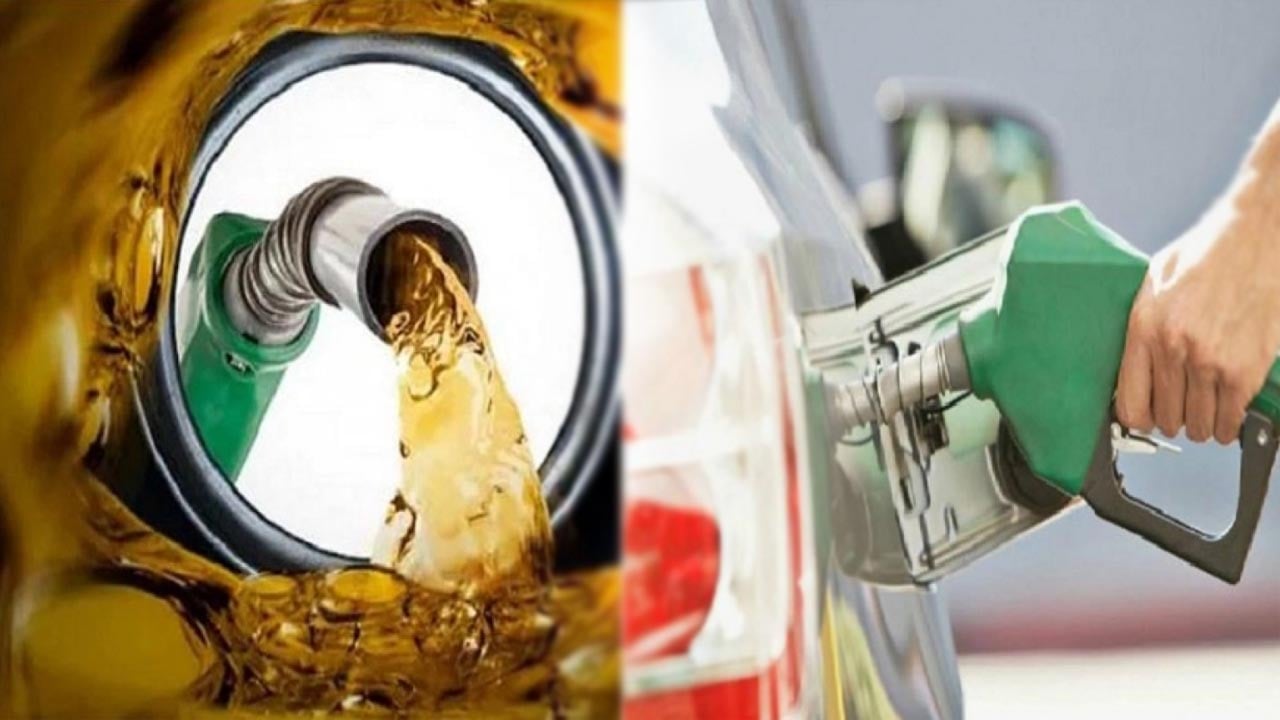
Fuel prices have risen sharply in 85 countries since the outbreak of war between Iran and the United States-Israel alliance on February 28, 2026. The conflict has severely disrupted global oil supply chains, with the closure of the Hormuz Strait causing acute shortages, particularly in Asia. According to the American Automobile Association, the average price of regular gasoline in the United States increased by 20 percent to $3.58 per gallon, while in California it exceeded $5 per gallon, the highest in two years.
Global Petrol Prices data show Vietnam experienced the steepest rise, with prices jumping nearly 50 percent per liter, followed by Laos, Cambodia, Australia, and the United States. Japan is preparing to release oil from its strategic reserves, and South Korea has imposed maximum price caps for the first time in 30 years. Bangladesh and Pakistan have implemented emergency measures, including university closures and reduced workweeks, to conserve fuel.
Economists warn that disruptions in transport and logistics are increasing inflation and unemployment simultaneously, raising the risk of global stagflation similar to past oil crises.

The ‘1 Nojor’ media platform is now live in beta, inviting users to explore and provide feedback as we continue to refine the experience.