
The ‘1 Nojor’ media platform is now live in beta, inviting users to explore and provide feedback as we continue to refine the experience.
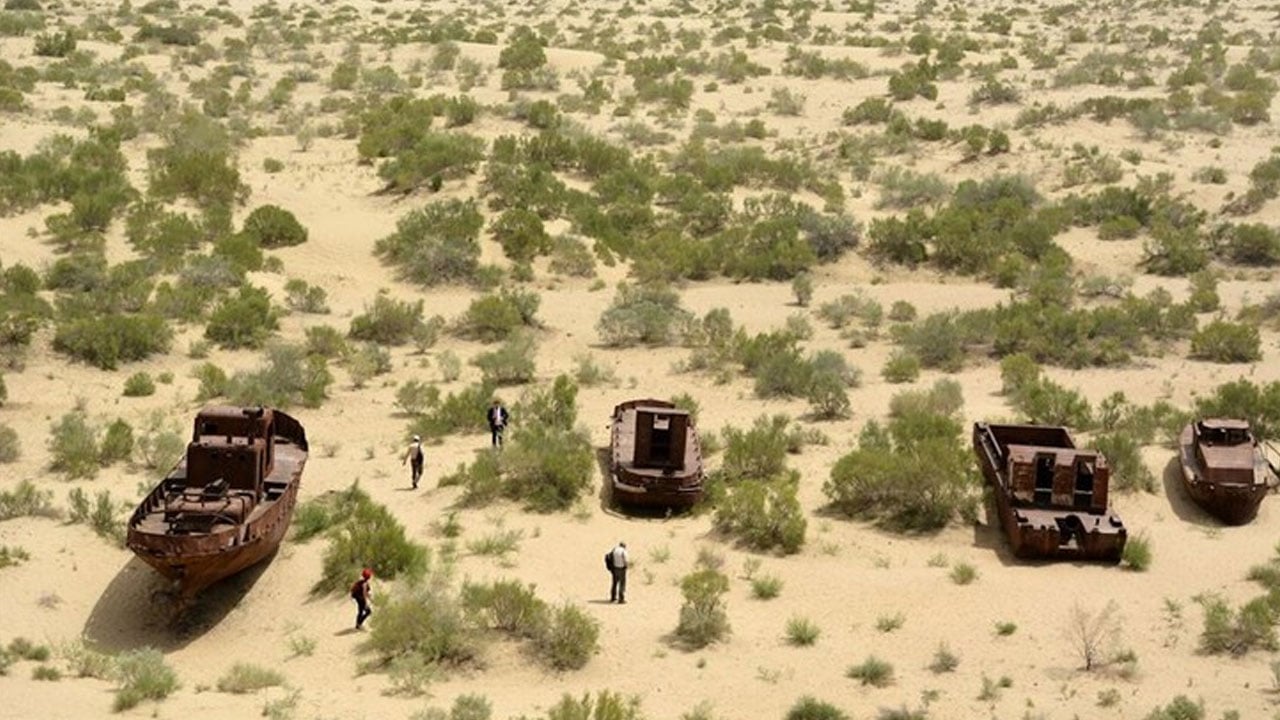
Once the world’s fourth-largest lake, the Aral Sea—spanning Kazakhstan and Uzbekistan—has now shrunk to less than one-tenth of its original size. Once a thriving source of fish and livelihood for local communities, the sea’s ports now stand abandoned, and its exposed seabed has turned into a toxic, saline desert. The United Nations Development Programme has described the situation as one of the twentieth century’s most severe environmental disasters.
The crisis began in the 1960s when Soviet irrigation projects diverted the Amu Darya and Syr Darya rivers to support cotton cultivation, drastically reducing water inflow. As evaporation outpaced replenishment, the sea fragmented into smaller bodies, and the newly exposed land became known as the Aralkum Desert, one of the world’s youngest deserts.
In response to the ongoing environmental degradation, Central Asian leaders recently convened in Kazakhstan’s capital, Astana, to discuss joint water resource management and strategies to prevent further damage to the region’s fragile ecosystem.

The ‘1 Nojor’ media platform is now live in beta, inviting users to explore and provide feedback as we continue to refine the experience.