
The ‘1 Nojor’ media platform is now live in beta, inviting users to explore and provide feedback as we continue to refine the experience.
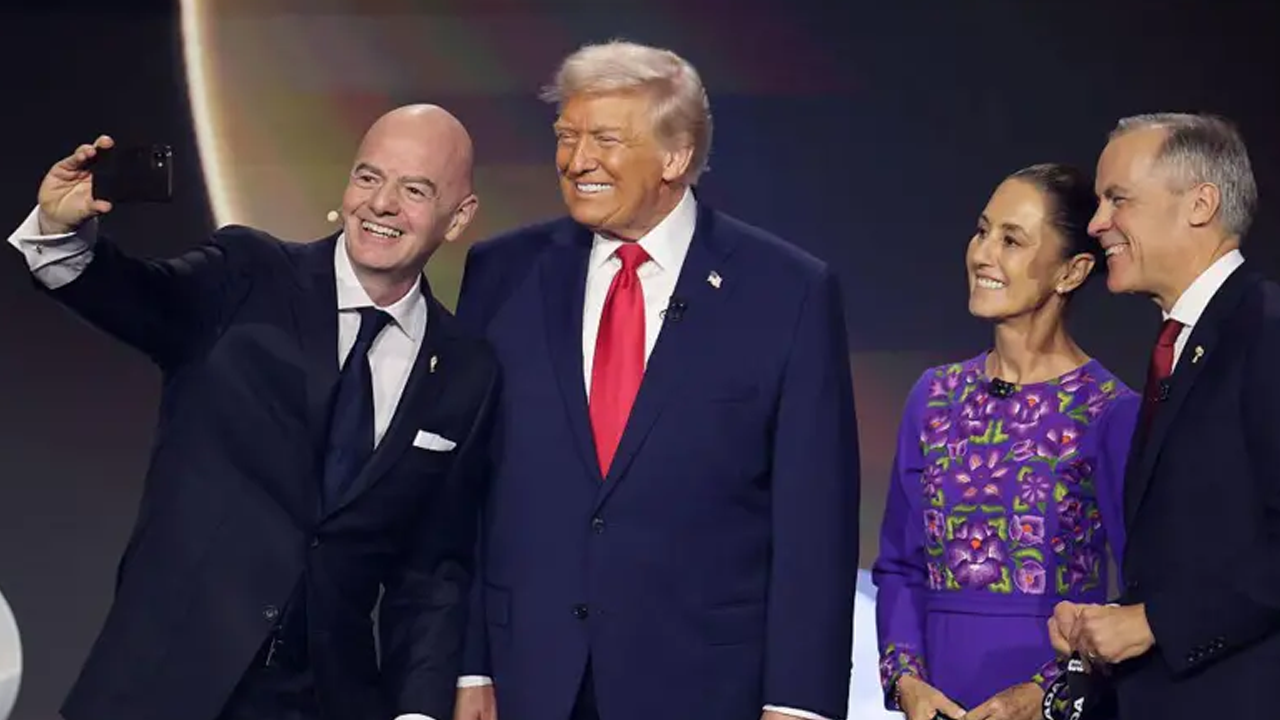
The 2026 FIFA World Cup, jointly hosted by the United States, Canada, and Mexico, is set to unfold across 16 cities amid strained relations among the three neighbors. Despite a show of unity at the draw ceremony in Washington, D.C., underlying disputes over trade, immigration, and drug trafficking remain. U.S. President Donald Trump has emphasized his country’s dominance in the region, a stance that continues to shape cross-border dynamics.
Analysts note that Canada and Mexico still harbor resentment over Trump’s earlier tariff policies and remarks, while internal challenges in Mexico—ranging from infrastructure delays to teacher strikes—add further complications. Experts warn that the logistical hurdles of cross-border travel and heightened U.S. security concerns could exacerbate tensions during the month-long tournament.
Observers suggest that if the three nations manage the event smoothly, it could strengthen regional cooperation and influence ongoing trade negotiations. However, the political sensitivities surrounding the tournament mean that its success or failure could have lasting diplomatic consequences.

The ‘1 Nojor’ media platform is now live in beta, inviting users to explore and provide feedback as we continue to refine the experience.