
The ‘1 Nojor’ media platform is now live in beta, inviting users to explore and provide feedback as we continue to refine the experience.
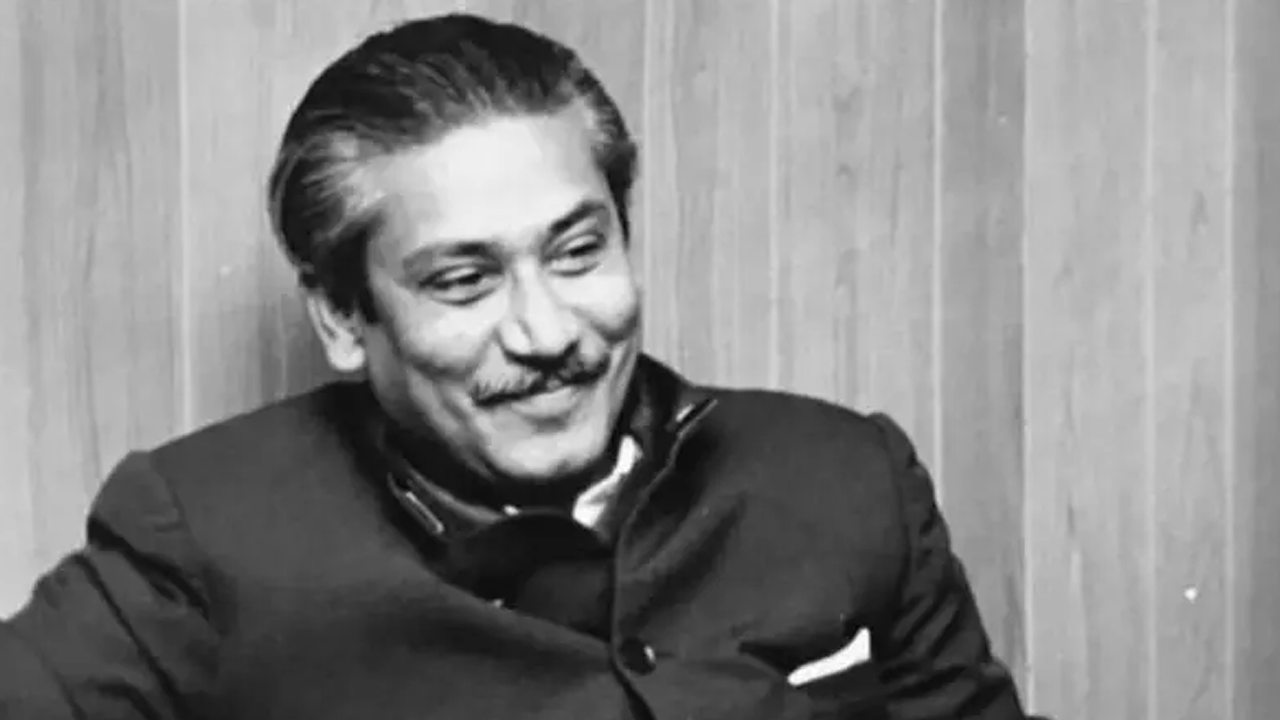
Bangladesh faced political, economic and law-and-order instability in the weeks before the military coup of August 15, 1975, when then president Sheikh Mujibur Rahman and most of his family were killed. The report says the government had moved to establish the one-party Bangladesh Krishak Sramik Awami League, or BAKSAL, replacing multiparty politics, while publication of all but four newspapers was halted.
Public anger and concern centered on corruption, looting, smuggling, theft, robbery and violence, according to the report. The effects of the 1974 famine had not fully receded, while drought followed by flooding damaged Aus crops and intensified shortages of food and safe water in affected areas. Police and the Rakkhi Bahini also intensified operations against extremist groups, with reports of arrests, weapons seizures and deaths in exchanges of fire.
Accounts by former military officers cited in the report describe growing resentment within parts of the army over one-party rule, the Rakkhi Bahini’s benefits and the dismissal or forced retirement of officers. M. A. Hamid’s book says Major Syed Faruque Rahman and Major Khandaker Abdur Rashid selected August 15 for the coup on August 12. Officers reportedly conducted reconnaissance around Dhanmondi 32 on August 14 before assembling troops, tanks and weapons.

The ‘1 Nojor’ media platform is now live in beta, inviting users to explore and provide feedback as we continue to refine the experience.