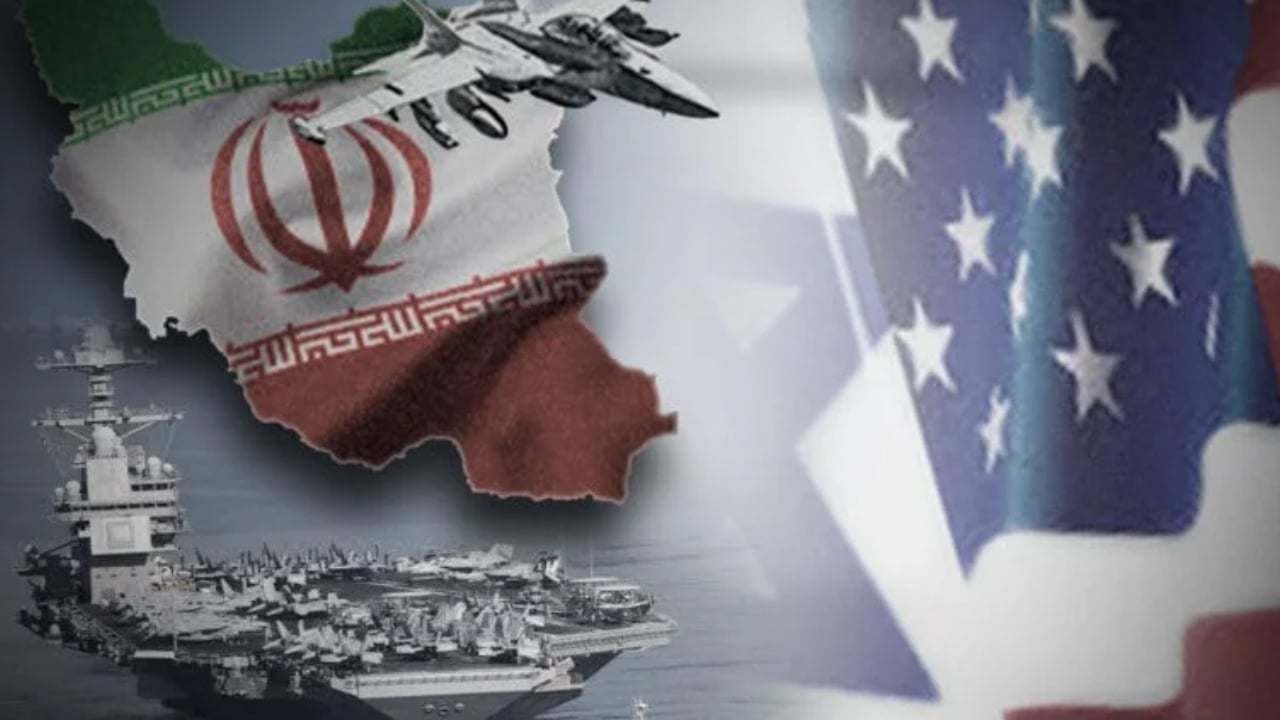
The strategic Strait of Hormuz has remained effectively closed for nearly four weeks, causing turmoil in global oil markets with no clear sign of resolution. Iranian threats and attacks on ships in the Gulf have made navigation so risky that almost all traffic through the narrow waterway has stopped. The strait is a vital route for about 20 percent of the world’s oil and natural gas supply, as well as a key channel for fertilizer shipments essential to global food production.
As the energy crisis deepens, U.S. President Donald Trump has announced diplomatic efforts to lift the blockade while deploying thousands of additional troops to the Middle East. He is also considering U.S. naval escorts for oil tankers. However, Iran remains in a strong position due to its unconventional warfare tactics, including the use of cheap drones and sea mines, and its advantageous geography.
Iranian officials have stated they will continue charging fees for the safe passage of some tankers. A report from Lloyd’s List Intelligence indicated that at least two ships have already paid large sums to transit the strait.