Israeli citizens awoke to news that US President Donald Trump had agreed to a ceasefire with Iran, following earlier threats to destroy Iranian civilization. Iranian media reported that the truce was based on a ten-point proposal including ending hostilities, allowing Tehran to continue uranium enrichment, ensuring security for Iran’s allies, compensating for damages caused by US-Israeli aggression, and collecting transit fees from ships passing through the Strait of Hormuz.
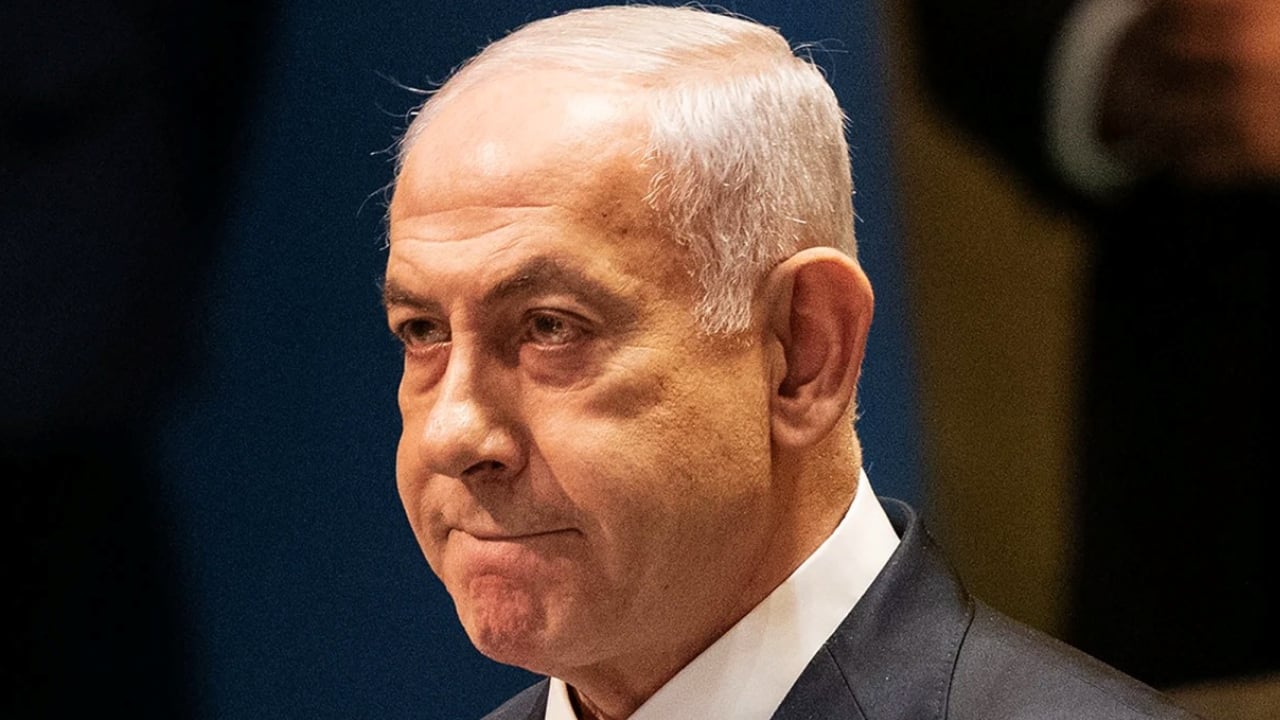
If a permanent peace agreement emerges from these terms, it could severely damage Israeli Prime Minister Benjamin Netanyahu’s political career. A report in The New York Times stated that Netanyahu had largely acted alone in pushing Trump toward aggression against Iran. Acceptance of Iran’s conditions would strengthen Tehran, contradicting Netanyahu’s earlier war objectives and undermining his regional strategy.
The developments threaten Israel’s regional standing and the Abraham Accords initiative to normalize ties with Arab states. With Iran potentially controlling the Strait of Hormuz, Gulf nations could become dependent on Tehran for energy exports, weakening US influence in the region.