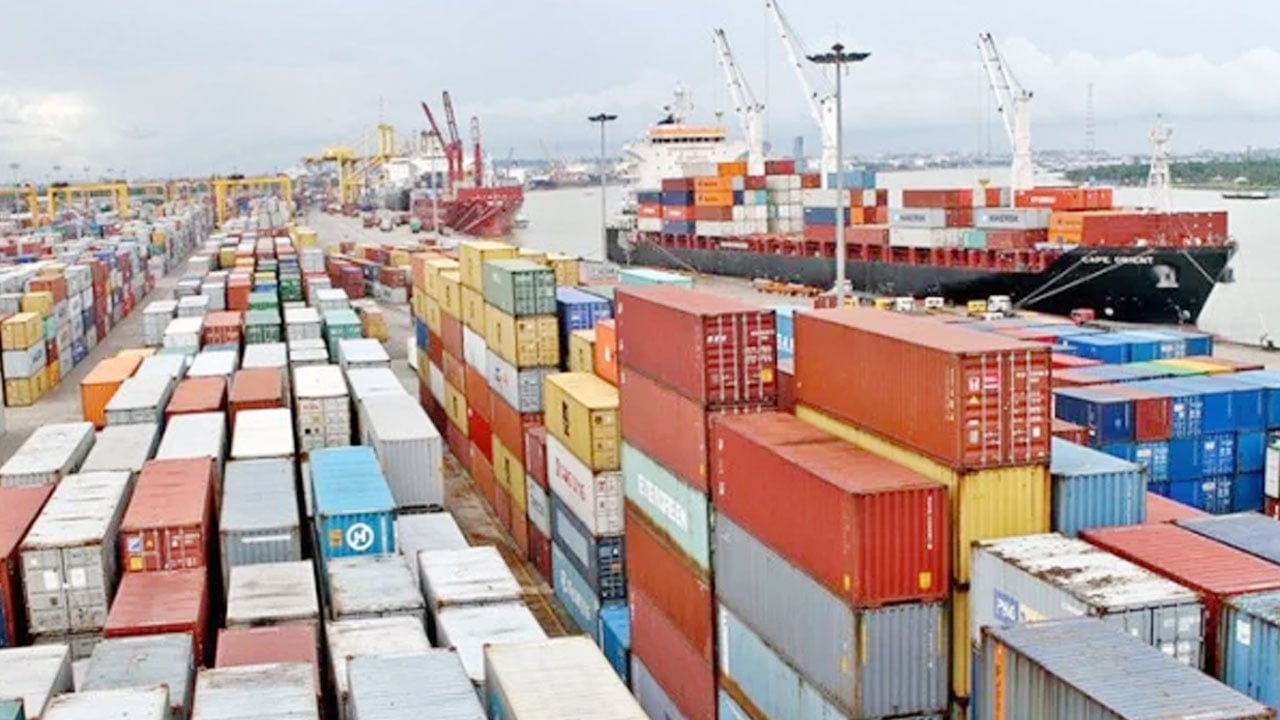
Bangladesh’s trade deficit climbed to its highest level in three years in fiscal year 2025-26, as import spending rose sharply while export earnings declined. Latest Bangladesh Bank data put the deficit at $27.28 billion in the fiscal year that has just ended, up 34 percent from $20.39 billion in fiscal year 2024-25.
Merchandise exports totalled $43.85 billion in 2025-26, a 1 percent decline from the previous year. Import expenditure rose 10.5 percent to $71.14 billion, the fastest annual import growth rate since fiscal year 2021-22. Sector representatives attributed the wider gap mainly to global conditions, including higher fuel prices, tariffs imposed by the Trump administration in the United States, high inflation in Western countries, and war-related disruptions to global supply systems.
Record remittance inflows of $35.58 billion helped limit the current-account deficit to about $1.6 billion. The financial account posted a $7.89 billion surplus, supported by foreign direct investment, foreign grants and foreign loans, while the overall balance of payments showed a $6.6 billion surplus. Economists said reducing reliance on remittances requires export diversification, stronger production capacity and improved competitiveness.