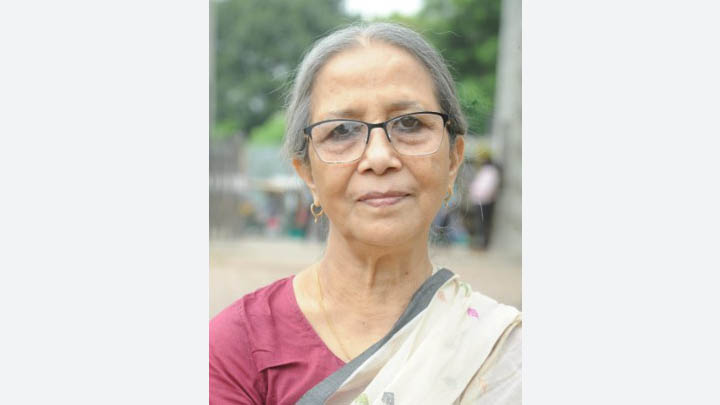
Former interim government adviser Farida Akhter has called for women’s contributions to Bangladesh’s July 2024 student-led uprising to receive a place in history. In an article published on August 5, 2026, she described how protests initially focused on reforming public job quotas but, amid government repression, developed into an anti-fascist movement. She wrote that young people drove the street protests without established political leaders at the forefront.
Akhter said roughly 56% of public appointments had been reserved under various quotas, leaving 44% for merit-based recruitment. Protesters sought to reduce the quota share, and it was eventually lowered to 7%, she wrote. She identified remarks by Sheikh Hasina at a July 14 news conference and subsequent night protests by female students at Dhaka University as a turning point. Women’s rights activists also organized under the banner Khubdho Nari Shomaj and continued demonstrations despite attacks.
The article recounts participation by schoolgirls, homemakers, parents and volunteers, including people who provided food and water to protesters. Akhter said memorial projects and cultural programmes were undertaken in 2025, but July commemorations had become partisan by 2026. She said the National Citizen Party represents student leaders, while other participants outside political parties are less visible, and argued that those involved must help build the future state.