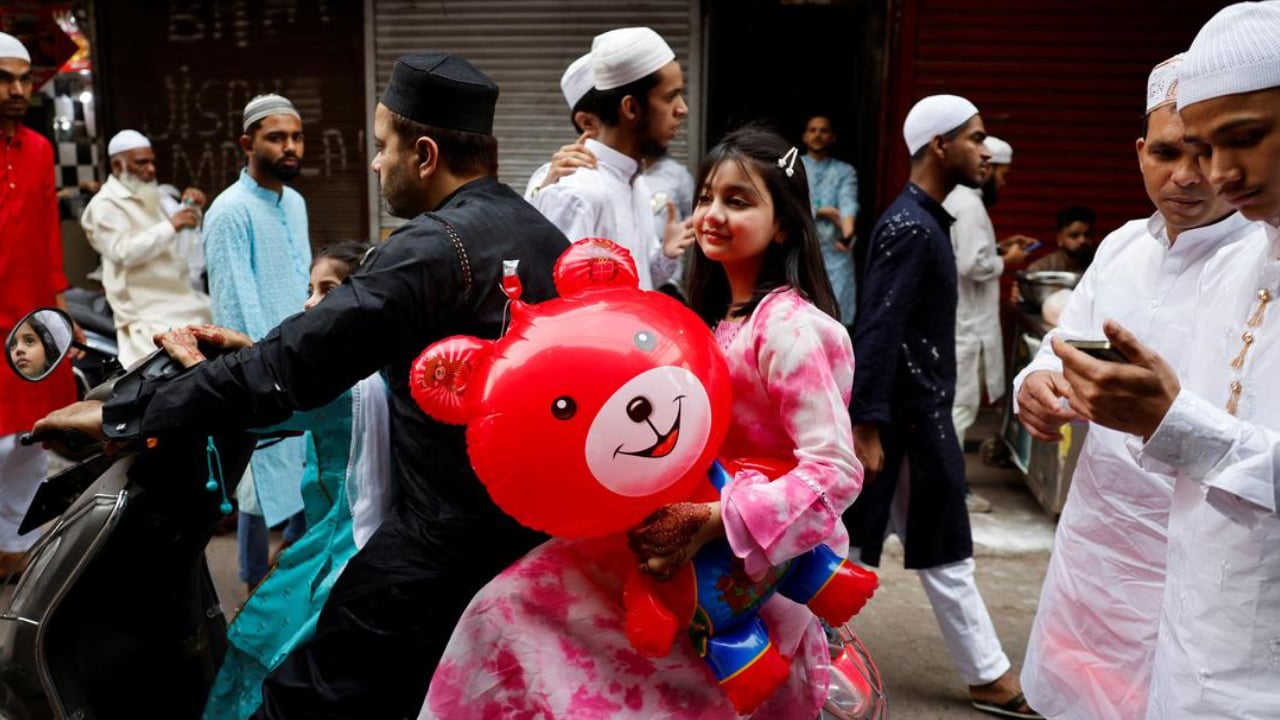
An analysis published on January 24, 2026, describes increasing harassment and marginalization of Muslim citizens in India, the world’s most populous country. The report argues that Muslims are often told they must remain politically silent to prove loyalty to the state, with their rights and visibility expected to be limited. It notes that since India’s independence in 1947, Muslims have actively participated in democratic and constitutional processes, but their space for legitimate political expression is now shrinking.
The article traces the roots of this ‘exceptionalism’ to the post-partition period, when staying Muslims were viewed as morally distinct from those who left. Historian Mushirul Hasan and theorists Mahmood Mamdani and Hilal Ahmed are cited to show how Muslims have been framed as either loyal and apolitical or suspect when politically active. Media portrayals reinforce this divide, labeling Muslims differently depending on whether they protest or remain silent.
The report concludes that such framing has become institutionalized, with legal and policy reforms presented as neutral while dissenting Muslim voices are dismissed as emotional or regressive.