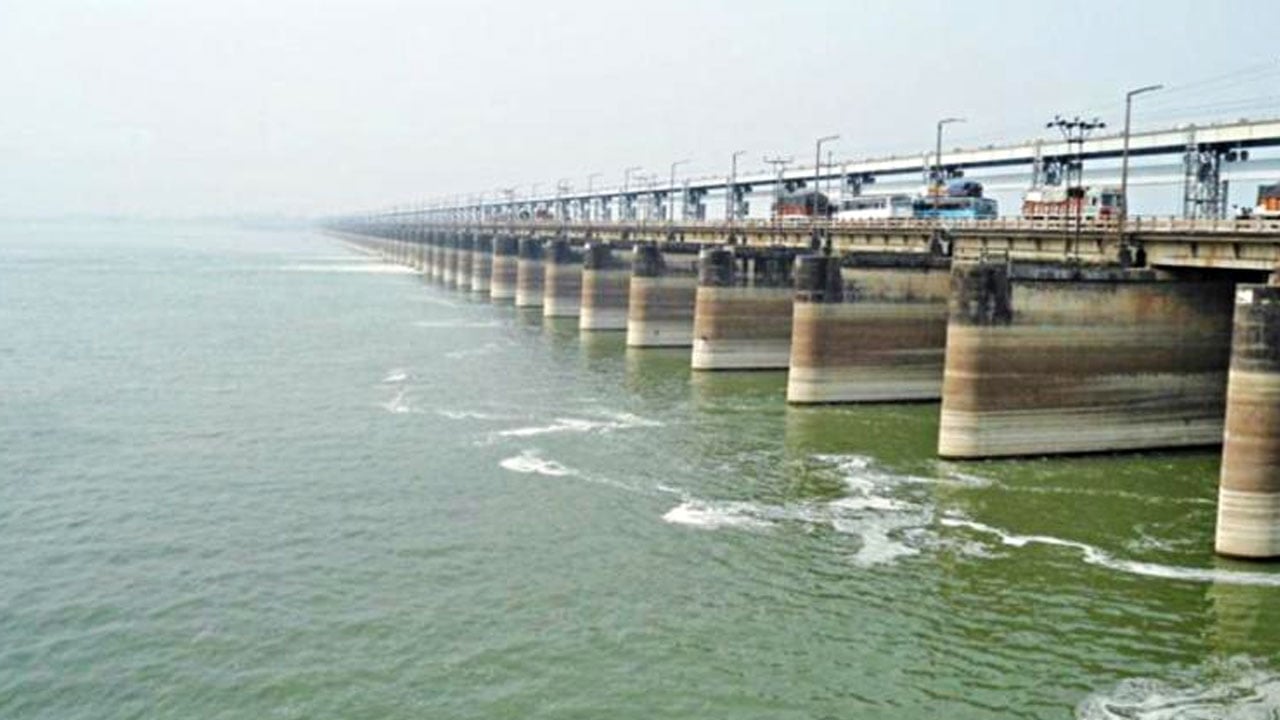
An article published on June 7, 2026, highlights growing tension over transboundary river water sharing between Bangladesh and India. The report cites remarks by Indian Bharatiya Janata Party (BJP) lawmaker Nishikant Dubey, who claimed that Indian farmers suffer losses because water from shared rivers flows into Bangladesh. His comments, made on social media, were interpreted as reflecting a dismissive attitude toward Bangladesh’s legitimate downstream water rights.
The article notes that India has built more than 30 dams and barrages on international rivers flowing into Bangladesh, disrupting natural water flow and violating the principles of international river law. Bangladesh, with 54 transboundary rivers, faces severe ecological and agricultural damage due to reduced water flow, including increased salinity, declining navigable waterways, and falling groundwater levels. The 1996 Ganges Water Treaty, the only formal agreement between the two countries, is set to expire this year.
The piece argues that India’s reluctance to sign new water-sharing agreements undermines regional cooperation. It urges Bangladesh’s new government to pursue equitable treaties under international norms to protect national interests and environmental sustainability.