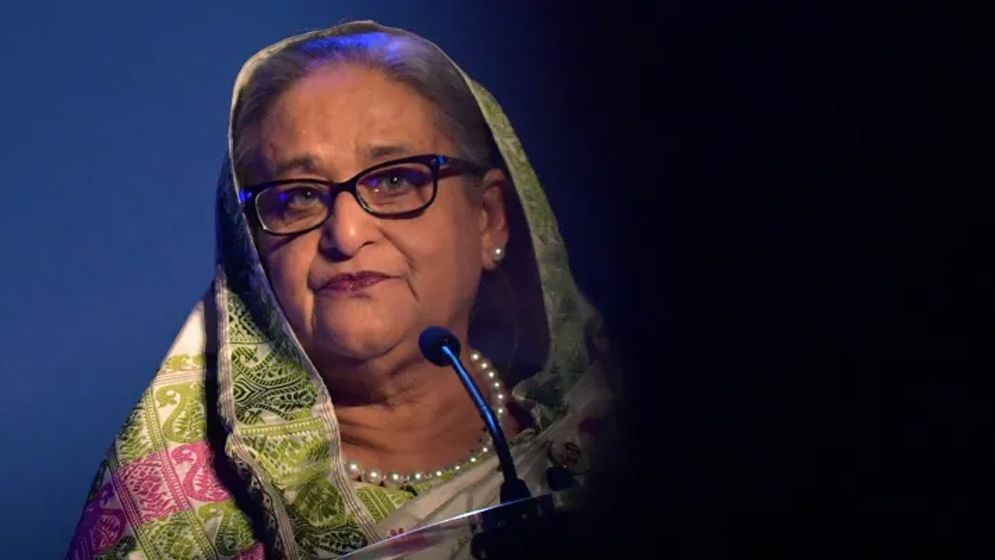
Bangladesh’s request for the extradition of former Prime Minister Sheikh Hasina from India has gained renewed urgency after her conviction by Bangladesh’s International Crimes Tribunal for crimes against humanity. Despite a formal diplomatic note sent in December last year, India has yet to respond officially. Indian officials privately indicate that the 2013 extradition treaty, amended in 2016, contains several clauses allowing India to delay or reject such requests, especially if the charges are deemed politically motivated or if fair trial concerns exist. While Bangladesh argues that the charges—murder, genocide, and enforced disappearance—fall outside the ‘political’ category, India may still invoke provisions citing doubts about judicial fairness. Analysts suggest that although New Delhi may soon face international and domestic pressure to justify sheltering a convicted fugitive, it is unlikely to hand Hasina over, maintaining its stance that the extradition request lacks credible judicial assurance.