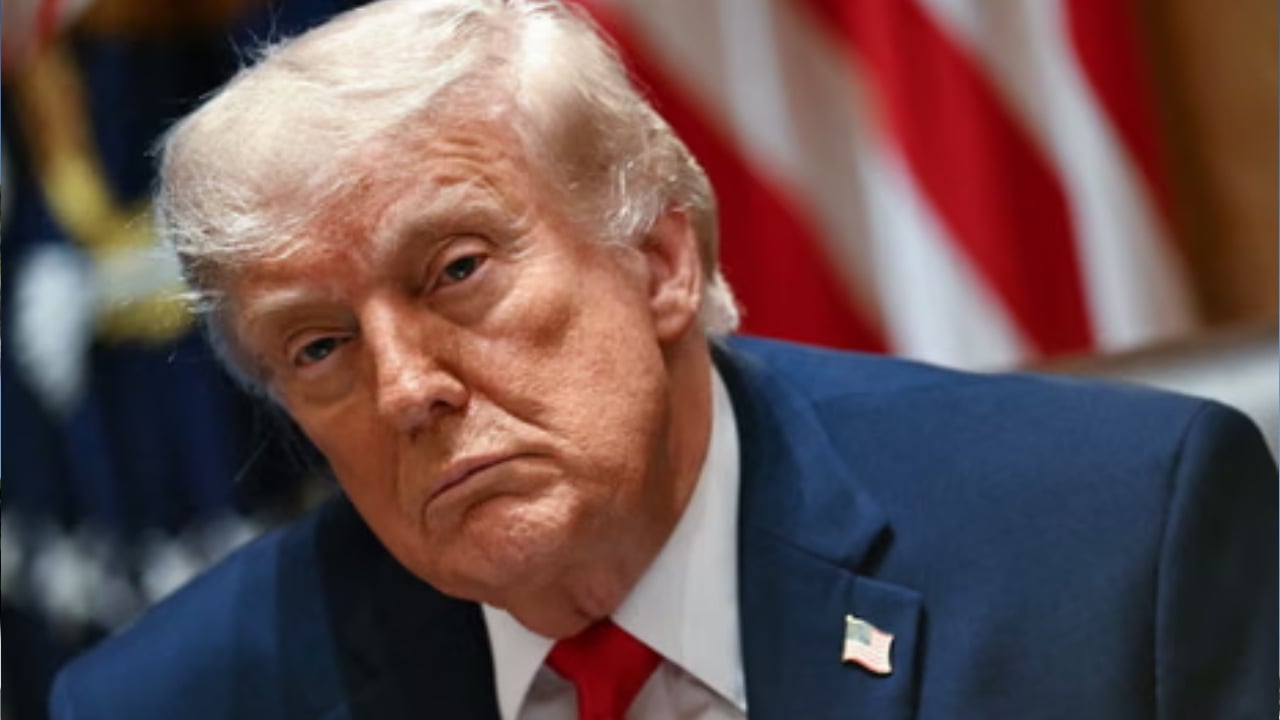
On June 17, U.S. President Donald Trump signed a preliminary agreement with Iran at France’s Palace of Versailles, aiming to reopen the Strait of Hormuz for shipping and allow Iran to resume oil sales. The deal was intended to ease years of sanctions and encourage peaceful relations. However, within a month, three ships were attacked near the strait, prompting Trump to revoke Iran’s oil export permission and order airstrikes on more than 170 Iranian military sites. No new talks have been scheduled since.
Both Trump’s military and diplomatic strategies have failed, returning the United States to sanctions and strikes. Vice President J.D. Vance warned of harsher responses to future attacks, while experts questioned the effectiveness of repeating past measures. Former diplomat Richard Haass said no clear strategy is visible as both sides escalate attacks on energy facilities.
The situation is further complicated by Iran’s internal turmoil following the death of Supreme Leader Ayatollah Ali Khamenei and public anger toward government officials. Disputes over Iran’s nuclear program and control of the Strait of Hormuz remain unresolved, leaving future negotiations uncertain.