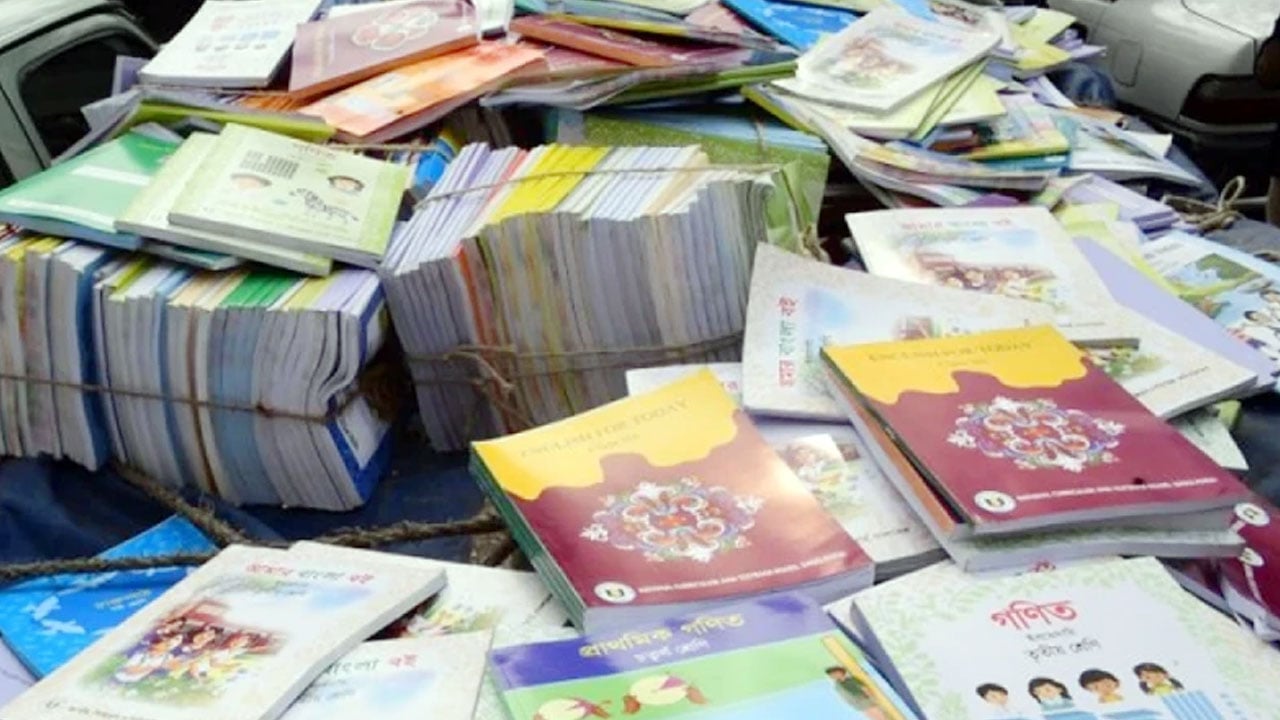
Bangladesh’s National Curriculum and Textbook Board (NCTB) has scrapped more than two million faulty primary school textbooks, valued at around Tk 15 crore, after discovering widespread printing defects and substandard paper use. Over fifty printing presses have been implicated, and more than 3,000 tons of low-quality paper have been rejected. Officials said the books were destroyed using cutting machines as part of a drive to ensure quality compliance.
Former and current NCTB officials confirmed that similar irregularities occurred in previous years, with some presses allegedly linked to a long-standing political and business syndicate accused of embezzling billions of taka through low-quality textbook production. Industry leaders and inspectors reported threats and bribery attempts aimed at avoiding penalties. The Education Ministry has pledged strict action against those responsible.
Observers note that the crackdown marks one of the largest quality-control interventions in Bangladesh’s textbook printing history. However, questions remain about whether entrenched networks within the printing sector can be dismantled and accountability sustained in the coming academic years.