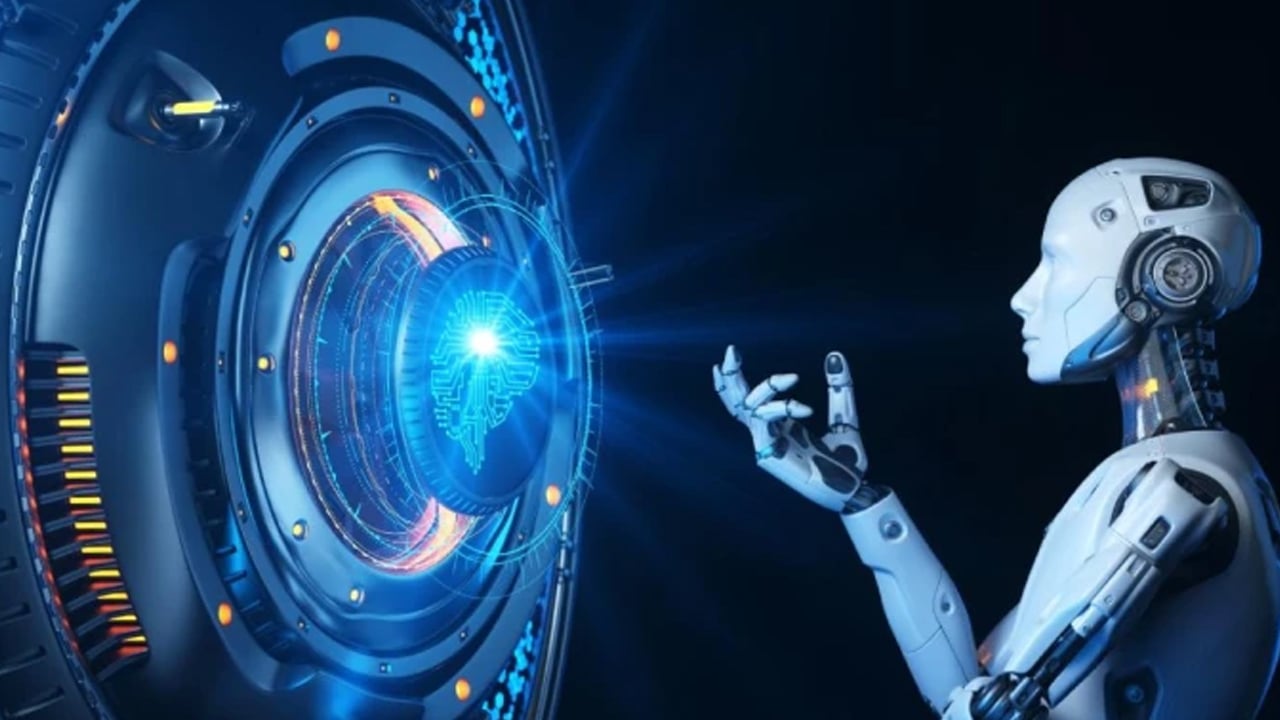
In a reflective essay published on February 24, 2026, writer Shubho Karmakar from Begum Rokeya University, Rangpur, described Bangladesh as standing at a technological crossroads where artificial intelligence (AI) has become deeply embedded in daily life. From students to professionals, people are using AI tools without fully understanding their implications. While AI has made knowledge more accessible, Karmakar cautioned that excessive reliance on it may erode human creativity, individuality, and critical thinking.
The article emphasized that machines can organize information but cannot replicate human experience, emotion, or social understanding. Overdependence on AI, the writer argued, risks turning people into passive users who lose their intellectual independence. Karmakar also warned of privacy threats, as AI systems may misuse personal data, leading to cybercrime and data breaches. He urged users to verify information, maintain self-awareness, and treat AI as a supportive tool rather than a replacement for human intellect.
The writer concluded that protecting freedom of thought and nurturing human intelligence are essential in the AI era, especially for the younger generation who are most engaged with technology.