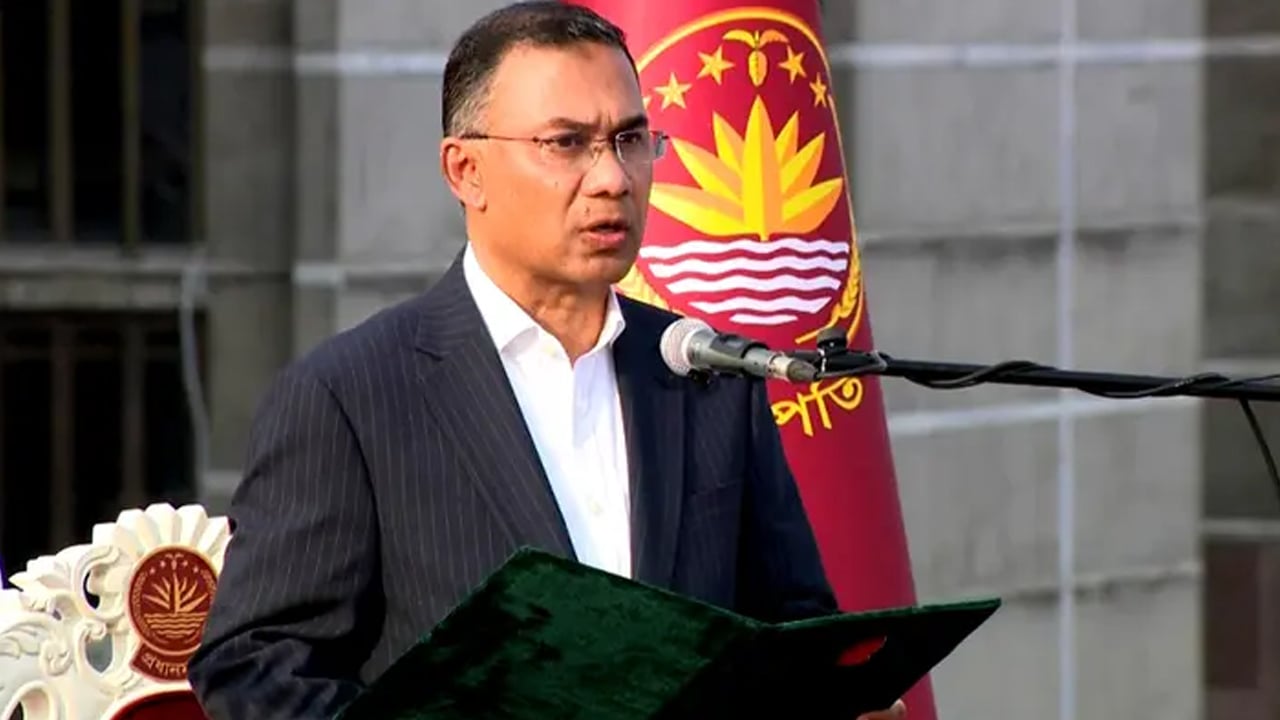
Nearly two years after the fall of Sheikh Hasina’s authoritarian government, Bangladesh has delivered a historic electoral verdict. Voters have chosen Tarique Rahman, leader of the Bangladesh Nationalist Party (BNP), who led his party to a landslide victory and pledged political reconstruction and a new regional strategy. The election follows years of unrest and the 2024 uprising that toppled Hasina after a deadly crackdown that killed about 1,400 people. Hasina fled to Delhi, where she was later sentenced to death in absentia by an international tribunal, straining relations between Dhaka and New Delhi after India refused extradition.
Analysts view the result as a rejection of years of repression and of India’s perceived backing of Hasina’s rule. Her tenure was marked by economic stability but also by allegations of arrests, disappearances, and extrajudicial killings. Critics say her foreign policy leaned heavily toward India, prioritizing its strategic interests while leaving key bilateral disputes unresolved. The new government faces the challenge of recalibrating ties with both India and Pakistan while maintaining balance in regional diplomacy.
Observers suggest Bangladesh’s new leadership aims to assert a more independent foreign policy, reducing overreliance on any single power and emphasizing national interests first.