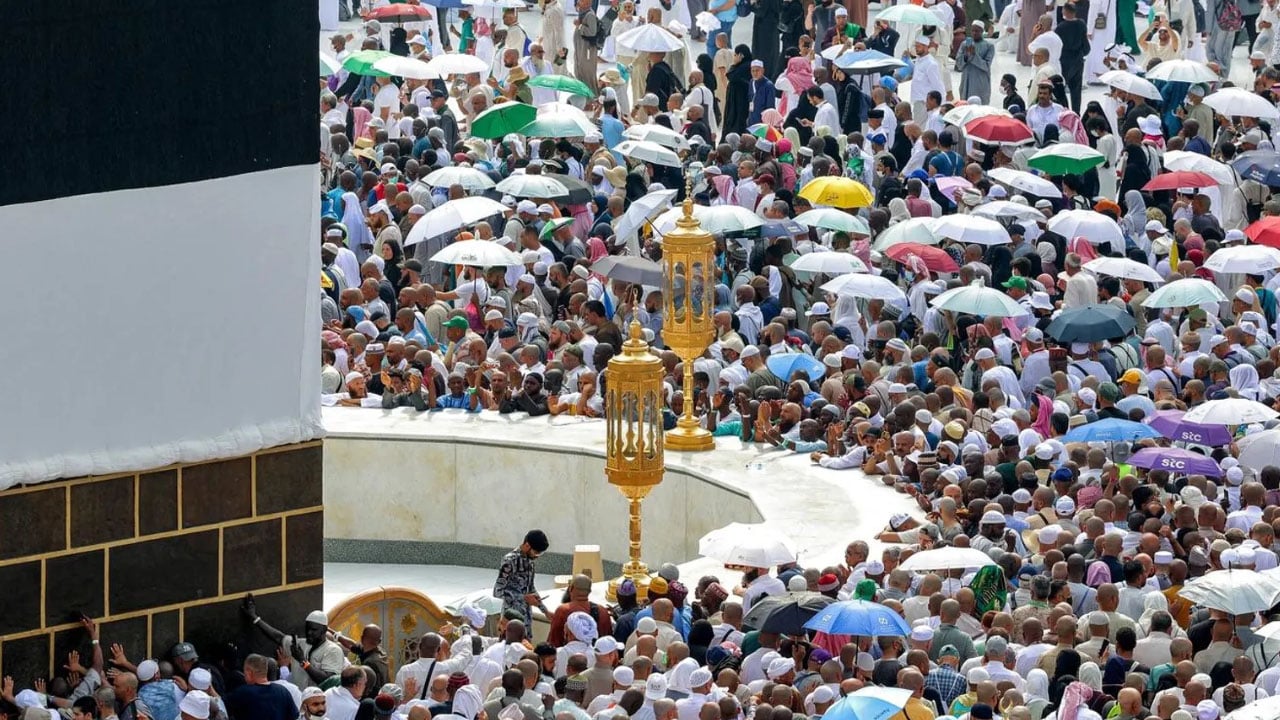
A new research report has found that global warming has fundamentally altered Mecca’s climate, exposing millions of Hajj pilgrims to extreme and dangerous heat not only in summer but also in other months. The study shows that carbon dioxide emissions from fossil fuels have caused temperatures to regularly reach around 40 degrees Celsius even in May, a level previously seen only during peak summer. Scientists warn that without a rapid shift away from fossil fuels, Hajj could face hazardous heat almost year-round by the end of this century.
Saudi Arabia, the world’s second-largest oil producer, has long been seen as a barrier to stronger global climate action. The report notes that in 2024, more than 1,300 pilgrims died due to severe heat and humidity during the June Hajj. The World Weather Attribution group described May pilgrimages as now being as dangerous as those in summer.
Saudi authorities have introduced measures such as shaded walkways, cooling centers, misting systems, and expanded medical services to reduce heat-related illnesses among pilgrims, but experts stress that deeper systemic changes are needed.