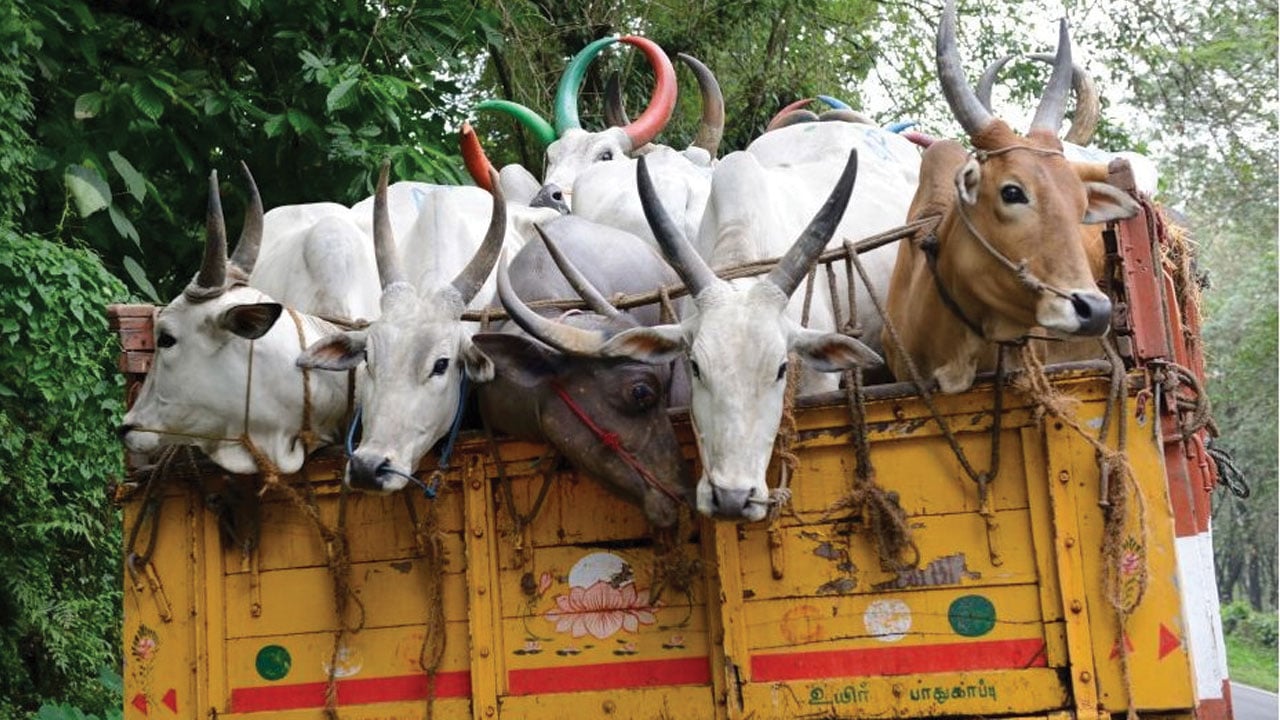
The newly elected Bharatiya Janata Party (BJP) government in West Bengal has imposed a complete ban on cow slaughter and sale, joining 19 other Indian states with similar restrictions. The decision, announced just before Eid al-Adha, has sparked widespread unrest across the state. Hindu farming families have taken to the streets in protest, accusing Chief Minister Suvendu of destroying their livelihoods. Many farmers claim they can no longer sustain their families without the income from selling cattle.
According to Indian media reports and expert analyses cited in the article, the ban has triggered a severe chain reaction across India’s rural economy. Farmers, unable to sell aging cows, face mounting debts and reduced income. The dairy sector has slowed as farmers stop raising new cattle, driving milk prices beyond the reach of ordinary consumers. The meat and leather industries have also collapsed due to raw material shortages, leaving millions unemployed. Stray cattle now roam freely, damaging crops and forcing the government to spend heavily on shelters.
Experts warn that the cumulative impact of these policies has placed immense pressure on India’s national budget and worsened rural poverty, creating a broad economic downturn linked to religiously motivated governance decisions.