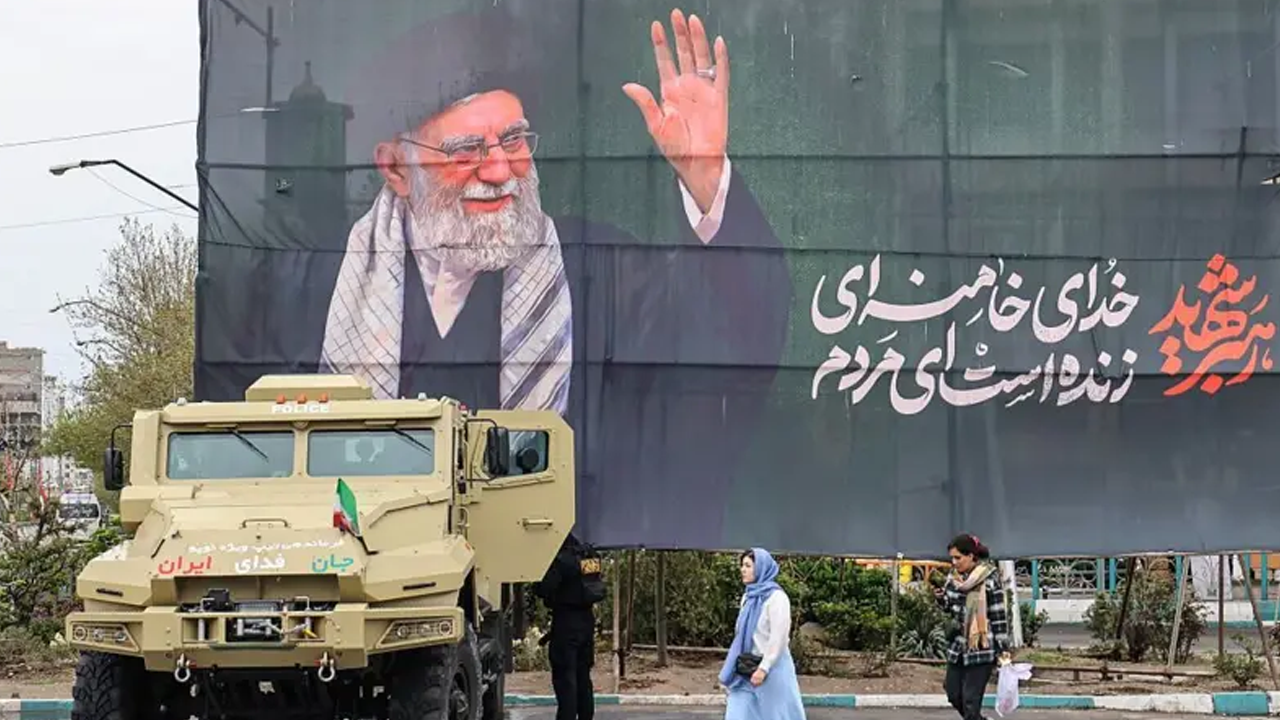
As the war approaches six months, Iran remains under growing military, economic and political pressure while showing no clear urgency to stop fighting. The report says Tehran may be seeking to demonstrate that the conflict is not fully controlled by the United States and to raise Washington's military, economic and political costs in hopes of securing concessions. US and Israeli strikes have targeted Iranian defence industry and missile-production facilities, but no independent assessment of the resulting damage is available.
Chatham House says there is no reliable estimate of Iran's remaining missile stockpile. Ballistic missile launches have gradually declined, but drones and cruise missiles can be produced relatively quickly, and Iran's military command structure remains intact after replacements were appointed for commanders killed in the war. Professor Mohammad Ghaedi said Iran could sustain missile launches for a long period, though at lower intensity, and still has the ability to disrupt the Strait of Hormuz.
Economic strain is worsening. The World Bank said Iran's economy contracted about 2.7 percent in fiscal 2025-26, while the IMF forecast a 5.4 percent contraction and roughly 69 percent inflation in 2026. Annual inflation has reached 62 percent, exceeding 101 percent in Hormozgan. More than one million jobs were affected and about two million people became unemployed, according to the labour deputy minister. Tehran's debate over war duration continues, while a path to an acceptable settlement remains unclear.