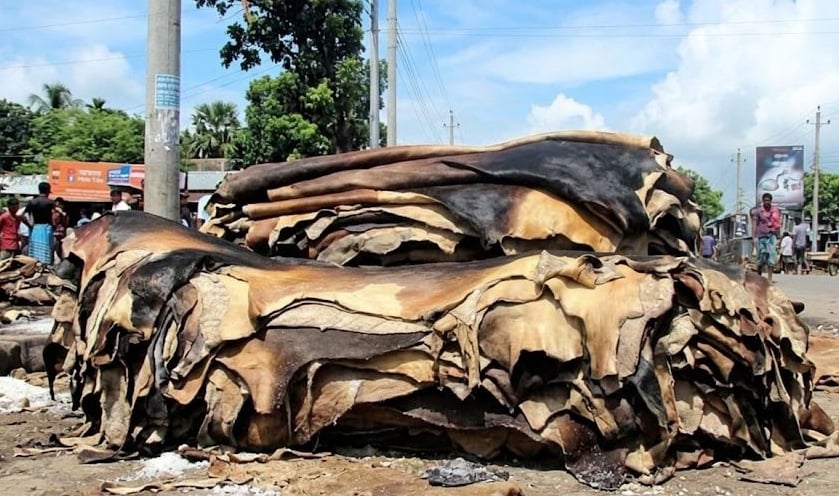
Several Qawmi, Hafezia, and orphanage-based madrasas in Sitakunda have collected sacrificial animal hides during Eid-ul-Azha, but are now struggling to sell them due to falling market prices, rising preservation costs, labor shortages, and lack of buyers. Many administrators said the hides, once a source of support for orphans and poor students, have become a financial burden. Some institutions fear the hides may rot if unsold.
According to madrasa officials, each hide costs between Tk 130 and Tk 350 to collect and preserve, while market prices are often equal to or lower than these costs. One madrasa reported selling hides at Tk 200 each after failing to attract city buyers. The Sitakunda administration distributed 25 tons of salt to four madrasas to aid preservation, but manpower shortages limited its use.
Stakeholders noted that hide sales are a key annual income source for madrasas and orphanages, funding food, clothing, and education for orphans. They urged government action to ensure fair prices, proper collection, and coordination with tanneries to prevent future losses.