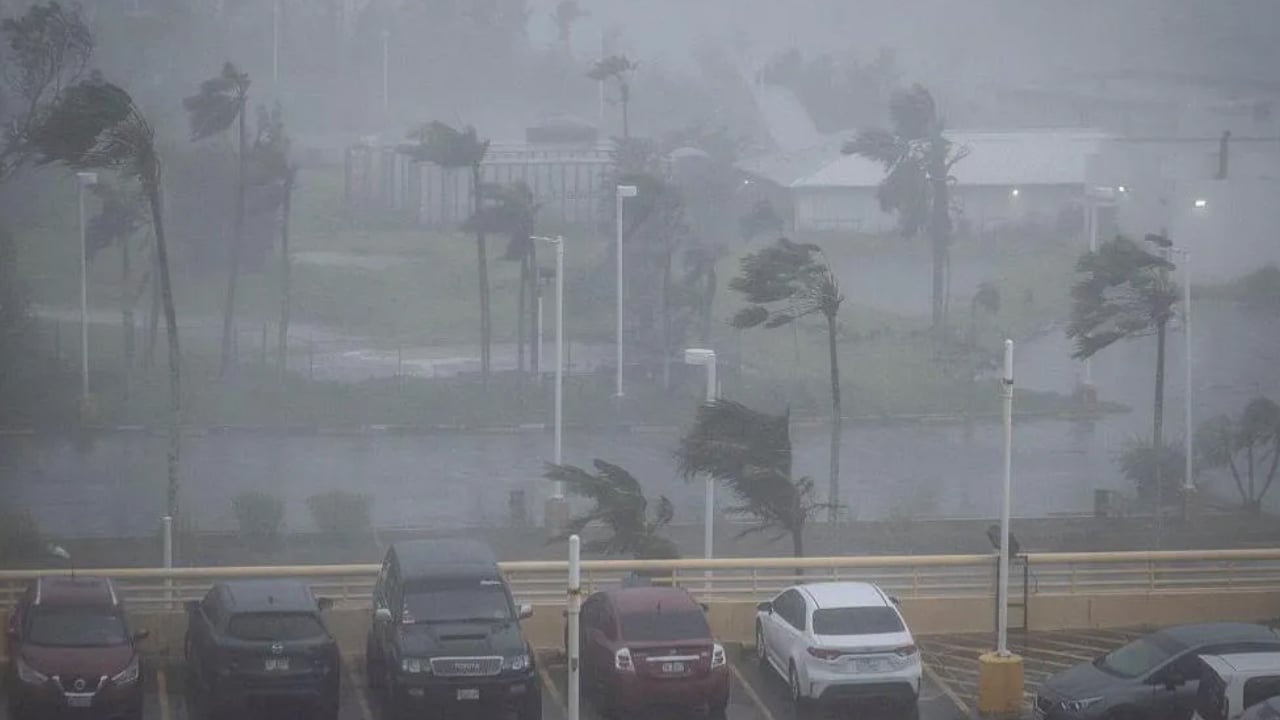
Super Typhoon Bavi struck the U.S. Pacific territories of Guam and the Northern Mariana Islands on July 6, 2026, with wind speeds reaching 290 kilometers per hour. The storm disrupted normal life across the islands, bringing heavy rain and strong winds. The U.S. National Weather Service warned that the typhoon is extremely dangerous and could cause extensive damage, with waves as high as 35 feet expected.
Authorities reported significant destruction on Rota Island in the Northern Marianas, which lies northeast of Guam and was directly hit by the storm. The island’s mayor urged residents to stay indoors and remain safe. In Saipan, north of Rota, wind gusts exceeding 161 kilometers per hour were recorded at the airport. The weather service said strong winds would persist until Monday afternoon before gradually weakening.
Guam, home to about 170,000 people, opened five shelters with capacity for around 1,700 residents, though one was already full by Sunday afternoon. The U.S. Joint Typhoon Warning Center officially classified Bavi as a super typhoon.