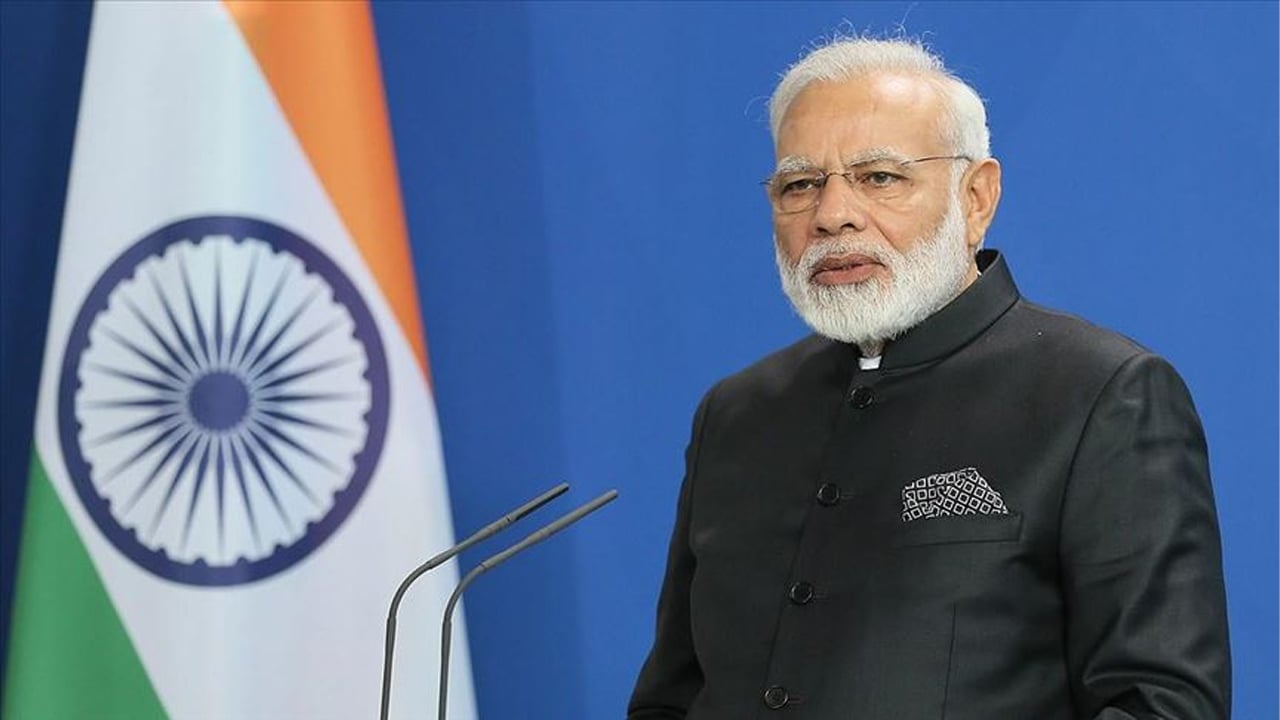
India’s political landscape has shifted sharply toward one-party dominance as Prime Minister Narendra Modi’s Bharatiya Janata Party (BJP) continues a sweeping series of electoral victories. Once-powerful opposition leaders Mamata Banerjee in West Bengal and M.K. Stalin in Tamil Nadu both lost recent elections, leaving Modi with virtually no major political challengers. The Congress Party, which once led India’s independence movement, now controls only four states, while Modi’s alliance governs 21.
The BJP’s rise follows years of organizational discipline, a business-friendly image, and a strategy of uniting Hindu voters. Critics accuse the party of using state power to manipulate elections, including voter list revisions that allegedly disenfranchised minorities. In Bihar and West Bengal, millions of names were reportedly removed from voter rolls, fueling allegations of bias. Despite opposition claims of irregularities, the BJP has dismissed all accusations.
Analysts say Modi’s dominance has reshaped India’s pluralist ideals into a more centralized, Hindu nationalist model. With the next national election due in 2029, questions remain over whether Modi will seek another term or who might succeed him within the BJP.