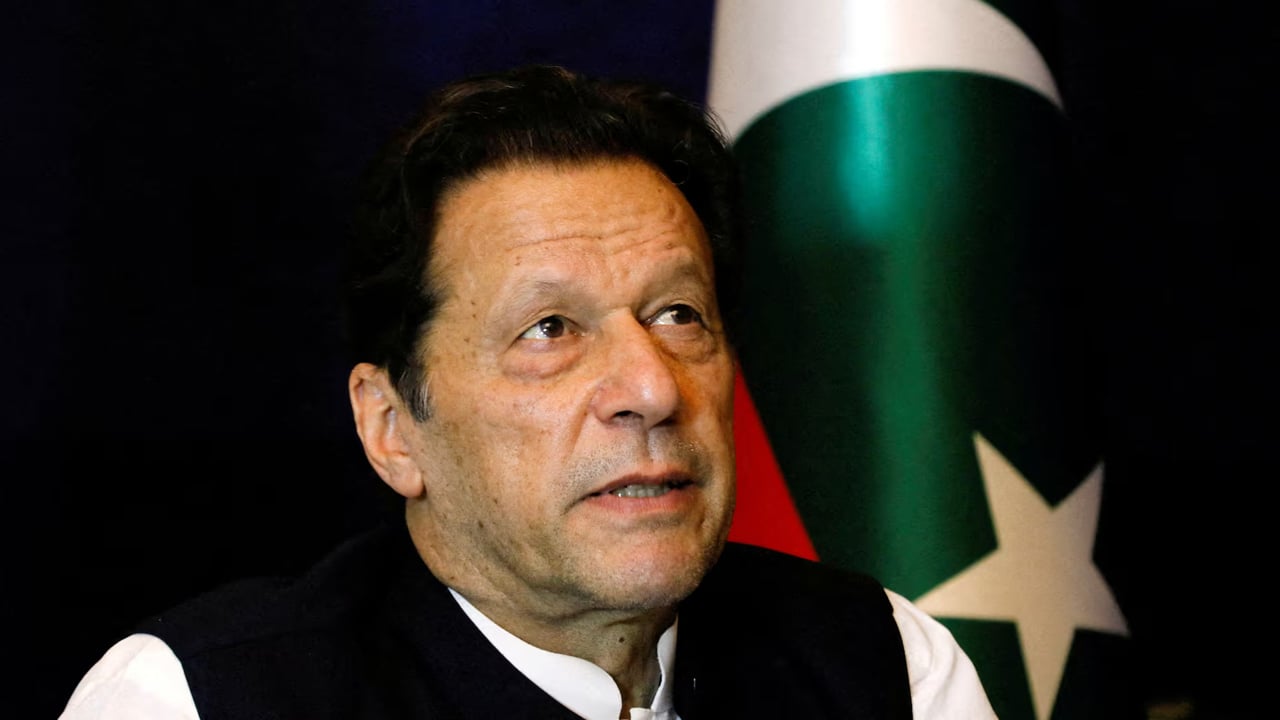
Pakistan’s jailed former Prime Minister Imran Khan has reportedly been denied meetings with visitors for over five weeks, according to his party. His family claims the restriction aims to block his messages from reaching the public and blames military chief Field Marshal Asim Munir, though the government denies this. Officials say Khan violated prison rules by discussing politics, while rights groups warn that dissent is being increasingly suppressed.
The report highlights a broader pattern of crackdowns on journalists, lawyers, and activists. Human rights lawyer Imaan Mazari and her husband were sentenced to ten years in prison for sharing alleged anti-state posts, prompting Amnesty International to urge Pakistan to halt its repression of dissent. Media workers describe growing censorship, self-censorship, and financial pressure on outlets like Dawn, while new laws under the Prevention of Electronic Crimes Act have tightened restrictions on criticism of state institutions.
Analysts and rights advocates say the military’s influence over politics and media has deepened, pushing Pakistan closer to authoritarian rule. The government and military, however, insist their actions remain within legal bounds and necessary for national security.