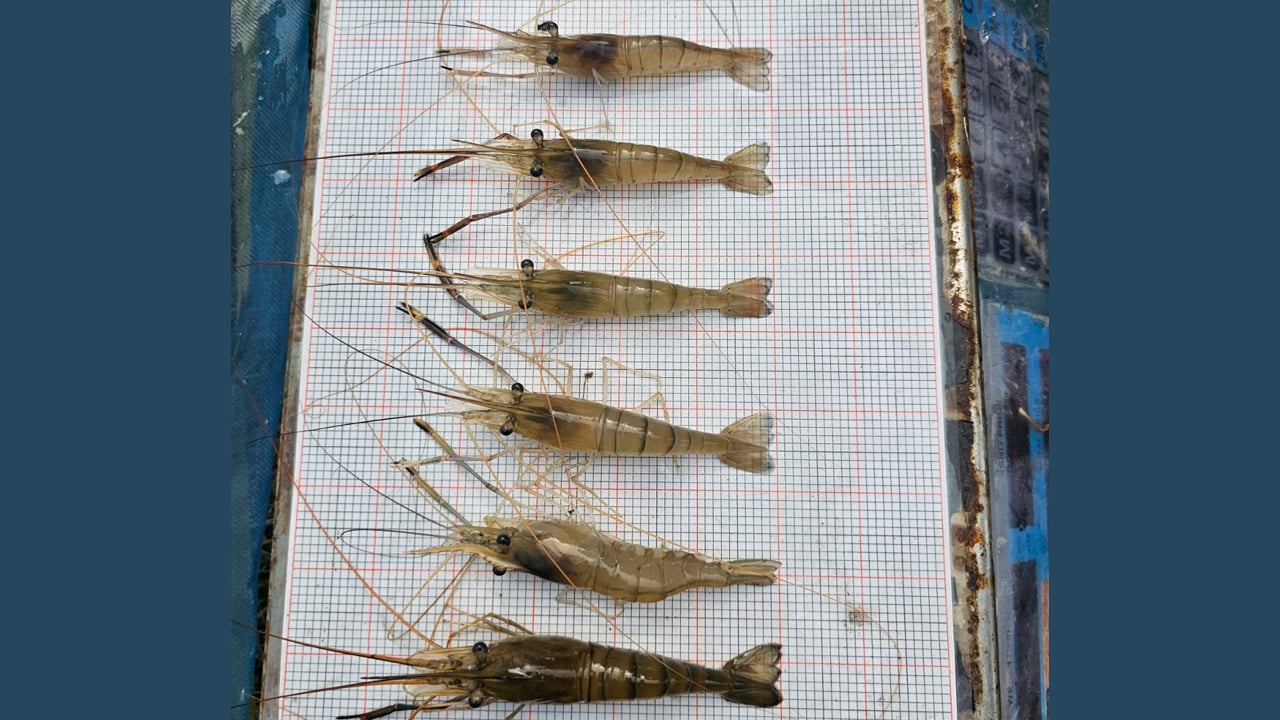
A research team from Khulna University’s Fisheries and Marine Resource Technology (FMRT) Discipline has achieved success in cultivating giant freshwater prawns and carp fish together using the Integrated Multi-Trophic Aquaculture (IMTA) method in low-salinity coastal water. The environmentally friendly IMTA system, based on the principle of 'one’s waste, another’s food,' increased both production and nutritional value of the fish.
The five-month experiment was conducted in twelve 120-square-meter earthen ponds, where lotus, guppy grass, and freshwater mussels were added to improve water quality and nutrient recycling. Results showed higher growth, survival, and production rates for prawns and G3 carp compared to conventional methods. Profit margins rose from 41% in traditional farming to 74% in the most successful IMTA treatment. The fish and prawns produced contained higher levels of essential amino acids and polyunsaturated fatty acids.
Lead researcher Professor Dr. Md. Lifat Rahi stated that the IMTA system offers a sustainable and profitable solution for small-scale farmers in Bangladesh’s increasingly saline coastal regions, while also providing consumers with safer and more nutritious protein sources.