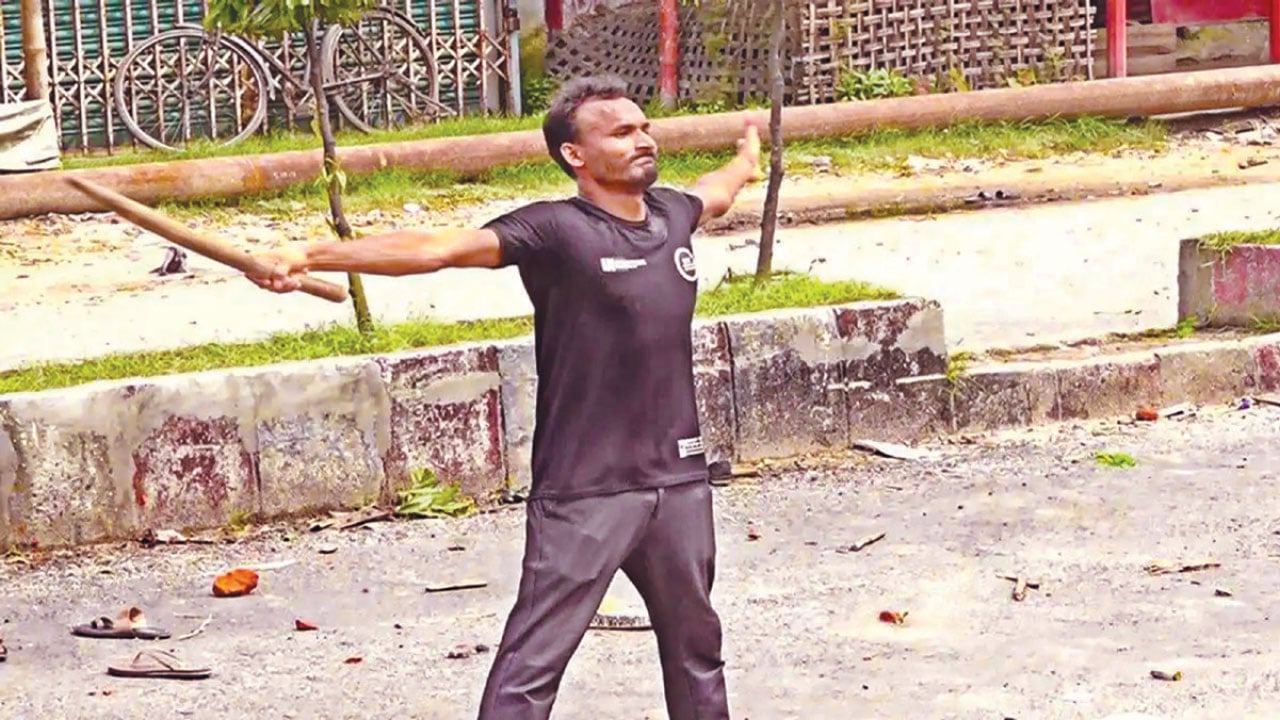
Between July 14 and 19, 2024, Bangladesh witnessed a wave of student-led protests demanding reform of the government job quota system. The movement began with a memorandum to the president and quickly escalated after Prime Minister Sheikh Hasina’s remarks defending the freedom fighters’ quota. Violent clashes erupted at Dhaka University and other campuses as student groups, including the ruling party’s student wing, were accused of attacking demonstrators.
On July 16, Begum Rokeya University student Abu Sayeed was shot dead by police, becoming the first martyr of what became known as the July Movement. The following days saw universities declaring campuses “politics-free” and the prime minister ordering a judicial inquiry while urging patience for a Supreme Court verdict. By July 18–19, nationwide shutdowns and protests turned deadly, leaving at least 116 people killed over two days.
The government imposed a curfew and deployed the army as an internet blackout severed Bangladesh’s digital links with the world, marking one of the most violent episodes in the country’s recent student activism.