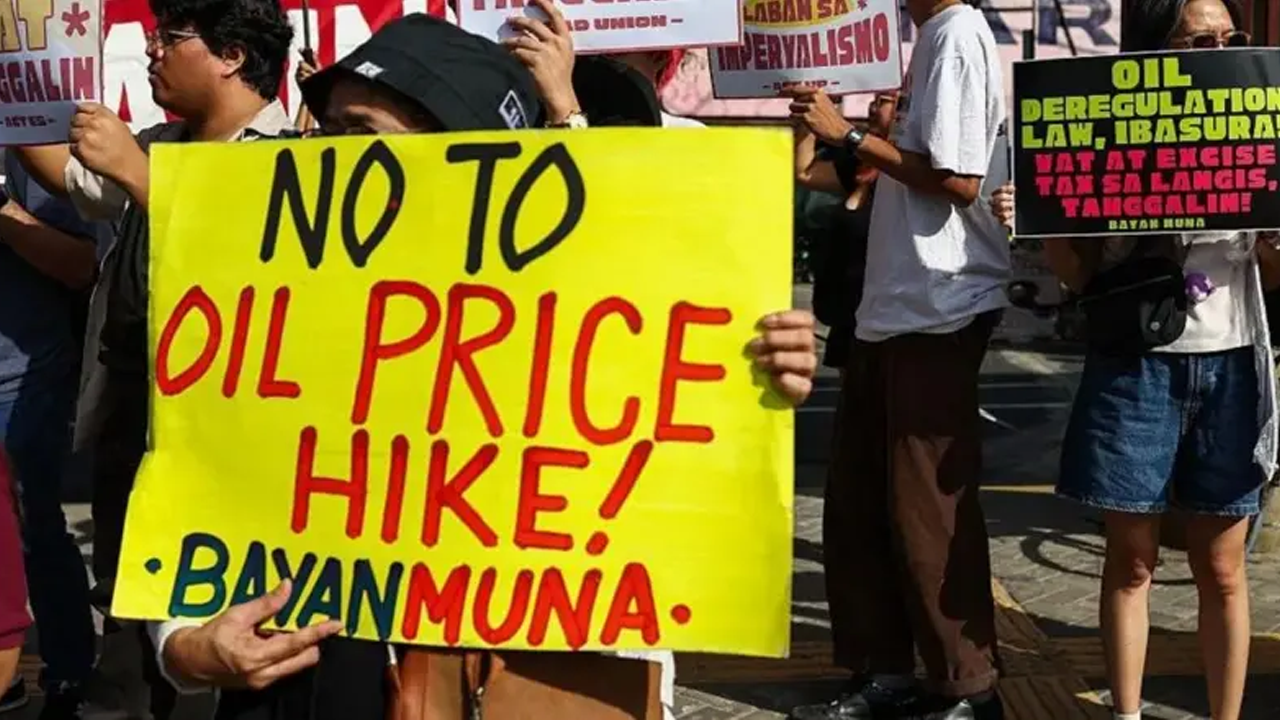
After the United States and Israel began military action against Iran in late February, Tehran announced the closure of the Hormuz Strait, a key route for 20 percent of the world’s crude oil shipments. The move triggered a global energy shock, with oil prices surging and Asian economies hit hardest as 90 percent of their crude and gas imports pass through the strait. Governments across Asia have imposed energy-saving measures such as work-from-home policies, shorter workweeks, and temporary closures of universities.
In India, gas shortages have crippled Gujarat’s ceramic industry and forced restaurants in Mumbai to shut down or reduce operations. The Philippines declared a national emergency as transport workers and farmers struggled with rising fuel costs. Thailand urged citizens to conserve energy, while Sri Lanka, still recovering from a financial crisis, introduced midweek holidays to curb fuel use. Myanmar enforced alternate-day driving rules to save fuel amid ongoing internal conflict.
Across the region, citizens reported long fuel queues, reduced incomes, and growing uncertainty. Analysts and local voices warned that if the conflict continues, Asia’s energy crisis and social instability could deepen further.