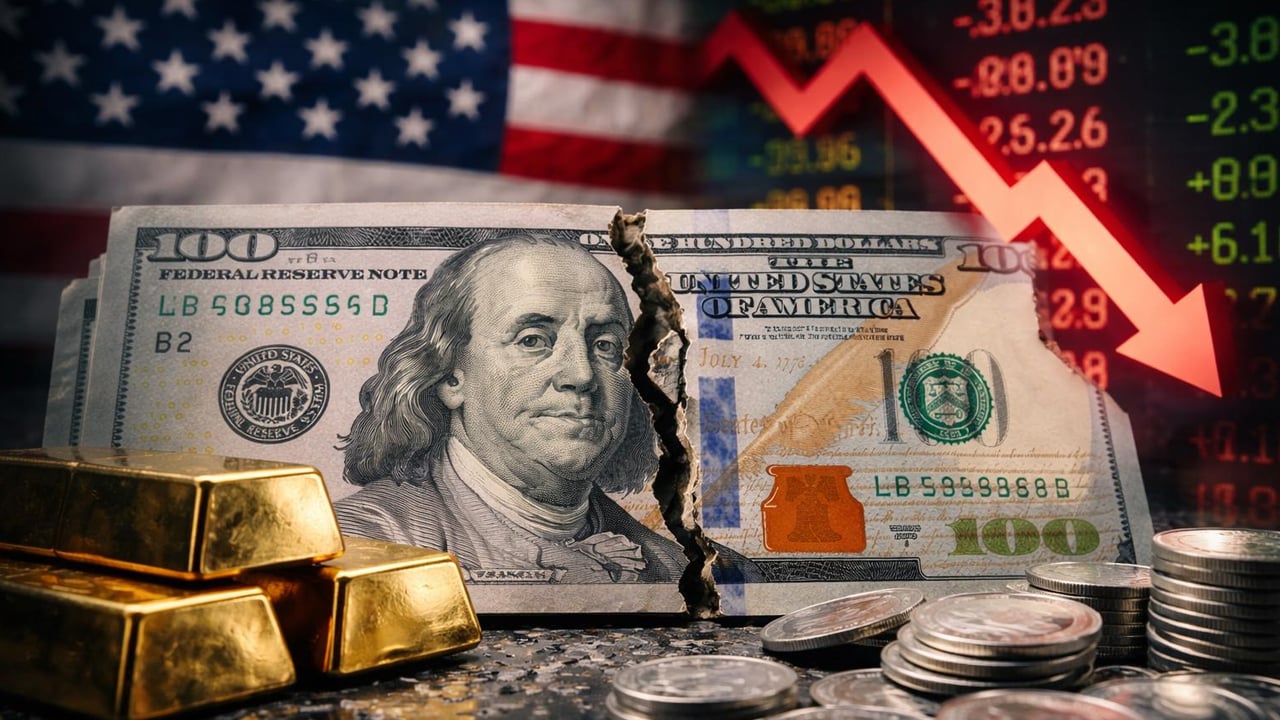
Experts have warned that the Iran war’s impact on global oil markets could inflict lasting harm on the US economy. The International Energy Agency (IEA) described the situation as one of the worst oil supply crises in history, triggering what economists call “demand destruction,” where soaring prices force consumers to permanently change spending habits. Rising fuel costs are already draining Americans’ savings and tax refunds, hitting low-income households hardest.
RSM US chief economist Joe Brusuelas said the US economy faces a chain reaction: higher energy prices act like an extra tax on families and businesses, eroding confidence, halting major purchases, reducing profits, and prompting layoffs. The Federal Reserve may raise interest rates, worsening the downturn. With the Strait of Hormuz closed, fertilizer and industrial raw material supplies are also disrupted, raising fears of further food price increases in coming months. Michigan State University’s David Ortega noted that food price shocks may take six months or more to fully appear.
Oxford Economics’ Nancy Vanden Houten said a ceasefire and partial oil price stabilization may have prevented a total collapse, though conditions remain volatile.