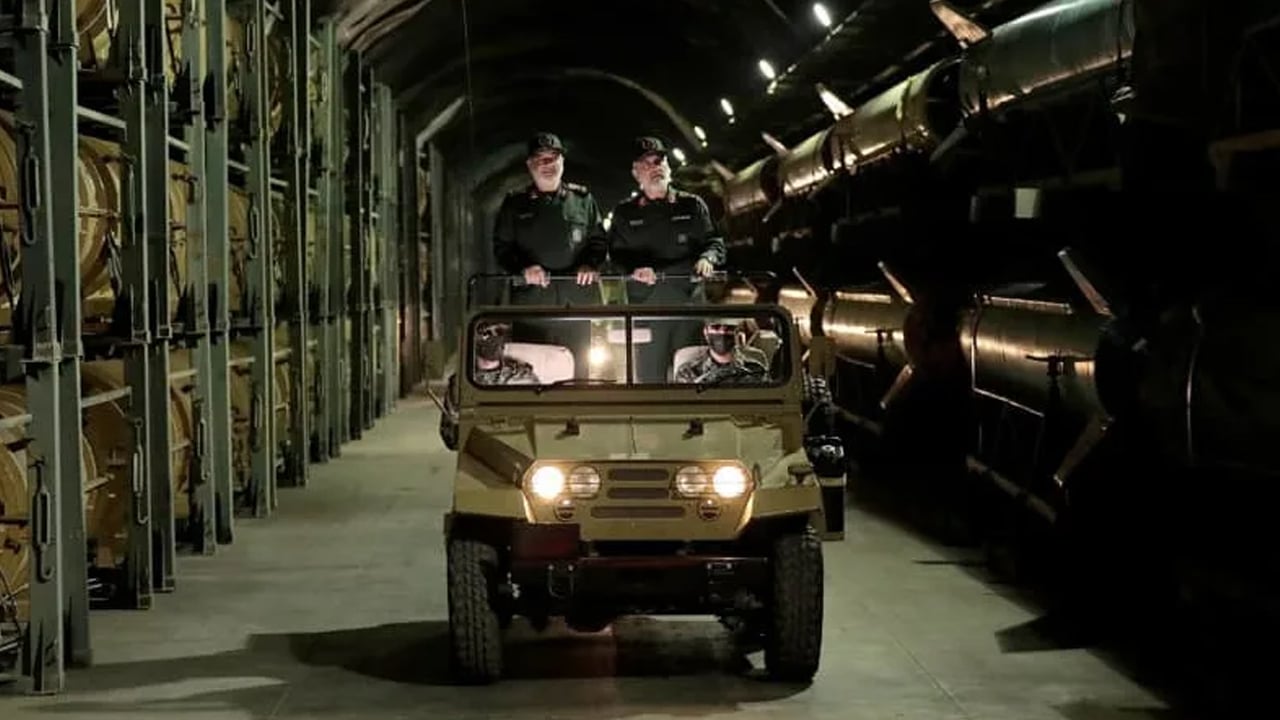
Iran is moving away from its long-standing strategy of protecting its missile arsenal in underground bunkers, a plan known as the 'missile city' approach. The shift comes days after the United States and Israel launched unilateral military operations, during which Iranian underground missile bases have been repeatedly targeted. According to reports, satellite images show destroyed missiles and launchers near the entrances of several bunkers hit by airstrikes around Shiraz, Isfahan, Tabriz, and Kermanshah.
Analysts cited in the reports suggest that Iran’s reliance on underground missile silos has become less effective due to technical difficulties in reusing them. Before the conflict began, Iran reportedly dispersed some of its missiles and mobile launchers to reduce vulnerability. US and Israeli officials say ballistic missile and drone launches from Tehran have decreased since the attacks began, possibly indicating Iran’s effort to conserve its arsenal for a prolonged conflict.
Estimates of Iran’s missile stockpile vary, with figures ranging from 2,500 to 6,000 missiles before the war, reflecting uncertainty about its current capacity.