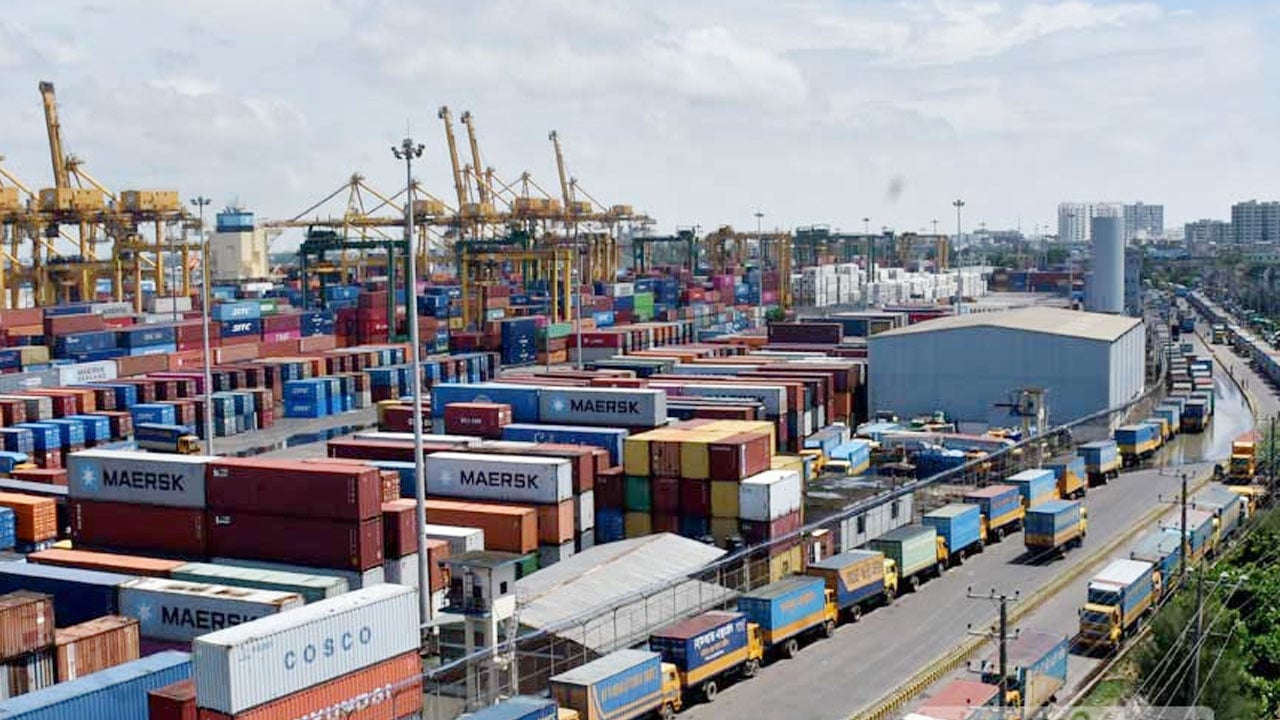
A prolonged strike at Chattogram Port has escalated into a national crisis, disrupting supply chains and threatening market stability ahead of Ramadan. The strike, initially an eight-hour protest, has turned indefinite following opposition to the government’s plan to lease the New Mooring Container Terminal to foreign operator DP World. As a result, over 120 ships are waiting to unload, including at least 35 carrying essential Ramadan goods such as dates, lentils, chickpeas, sugar, and edible oil. Importers face rising storage costs, and analysts warn that these expenses will likely push consumer prices higher.
The port’s operations have slowed to half capacity, causing severe congestion and revenue losses at the Chattogram Customs House. Business leaders and shipping agents report that each day of delay costs importers tens of thousands of dollars, which will ultimately burden consumers. The government has banned gatherings near the port, ordered regular labor bookings, and formed a six-member committee to assess revenue losses and identify those responsible.
Labor leaders insist the strike will continue until the lease plan is canceled, while port authorities have declined to comment on the pending agreement with DP World.