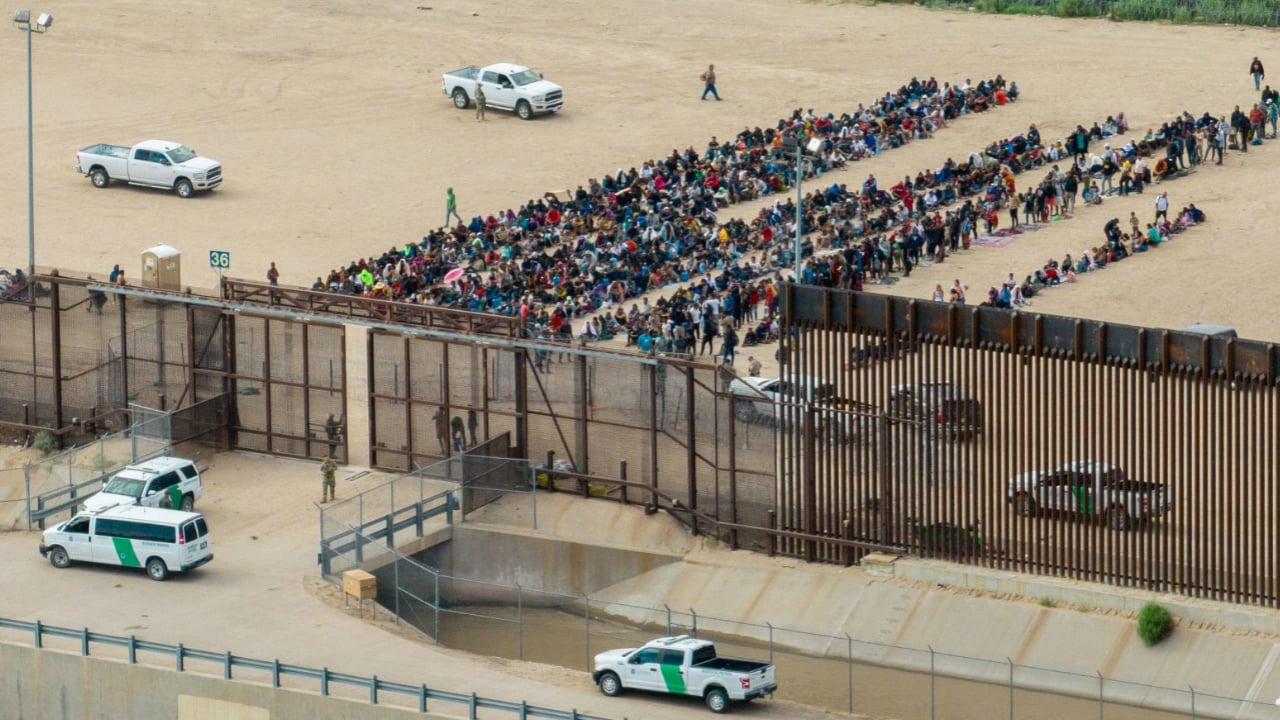
U.S. President Donald Trump, beginning his second term on January 20, tightened the country’s immigration policies, leading to widespread labor shortages within a year. Construction firms in Louisiana are struggling to find carpenters, hospitals in West Virginia face shortages of foreign doctors and nurses, and a neighborhood football league in Memphis cannot form enough teams as immigrant children have stopped arriving. The administration has raised visa fees, reduced legal entry routes, and deported over six hundred thousand people, while hundreds of thousands more face deportation after the withdrawal of temporary legal status granted under the previous administration.
Oxford Economics estimates that current policies have reduced net immigration to about 450,000 people annually, far below the 2–3 million per year under the Biden administration. Immigrants now make up 14.8 percent of the U.S. population, the lowest since 1890. Cities once vibrant with immigrant communities, such as Los Angeles and New York, have grown quieter, with fewer international students and diminished cultural activity.
Business owners fear the labor shortage will worsen, affecting industries like construction, nursing homes, and childcare, even as higher wages fail to attract enough workers.