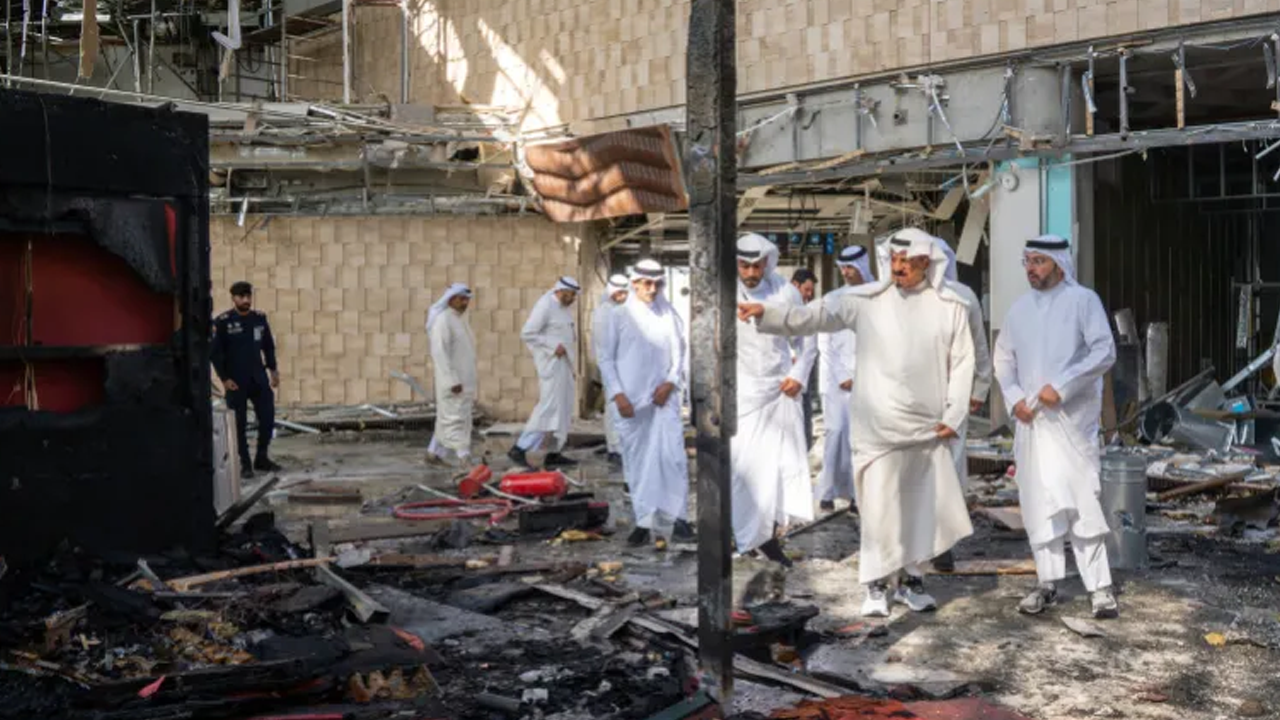
Iran has intensified attacks on military and civilian infrastructure in Kuwait, Bahrain, and Jordan in response to continued US air and missile strikes. Analysts told Al Jazeera that Tehran’s strategy aims to pressure US President Donald Trump without directly targeting American naval fleets or Israel. The Islamic Revolutionary Guard Corps (IRGC) reportedly struck airports, power plants, and water treatment facilities after US attacks severely damaged Iran’s railways, power grids, telecommunications, and water systems.
Lebanese analyst Elias Hanna explained that Iran avoided US naval targets due to their advanced air defenses and the risk of severe retaliation. Tehran University’s Atife Taghiani argued that Iran has the legal right to strike territories used for attacks against it, while Kuwait University’s Abdullah Al-Shayji dismissed this as propaganda, asserting that US strikes originated from warships stationed offshore. Al-Shayji criticized Iran for endangering civilians by targeting essential infrastructure.
The conflict began after joint US-Israeli strikes in late February, followed by a failed ceasefire agreement in June. Experts believe Iran’s current actions reflect both fear of direct confrontation and an attempt to manage domestic discontent.