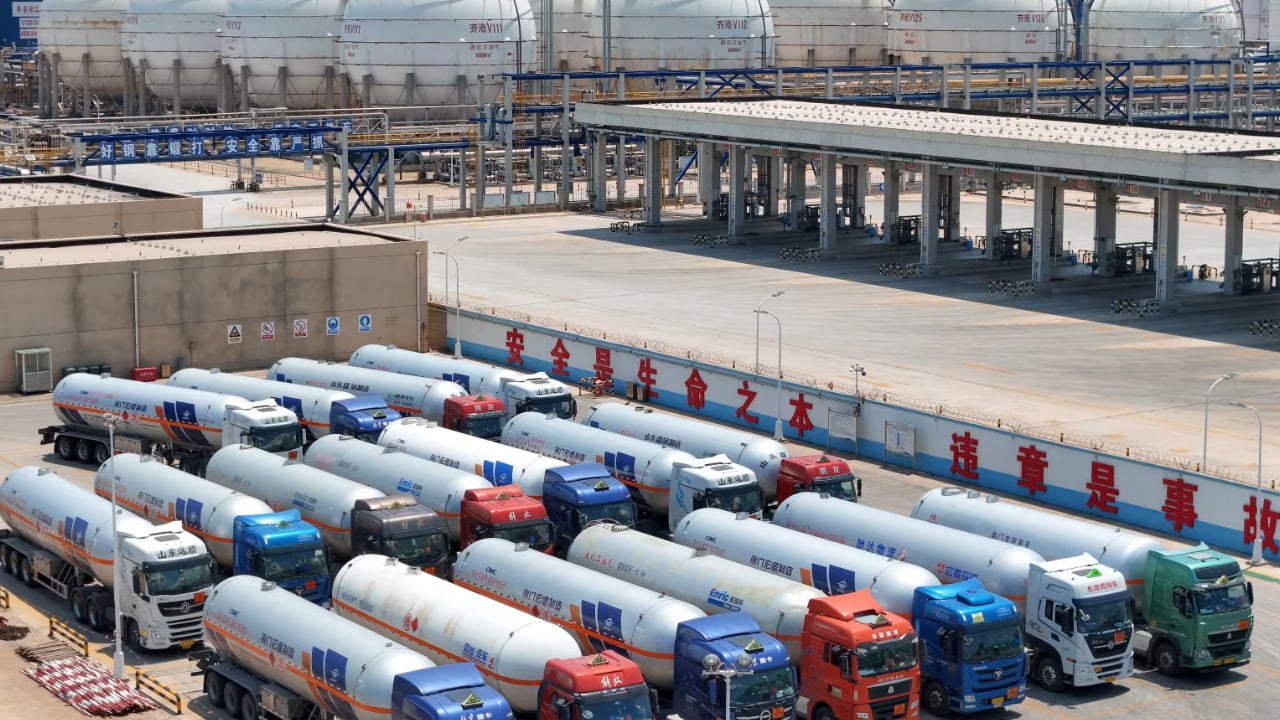
Global oil price trends are increasingly being influenced by China, as the United States and Iran continue discussions on reopening the Strait of Hormuz and restoring Middle Eastern oil supplies. Analysts say China, though not part of these talks, has become the most significant player in determining the next phase of the global oil market. As the world’s second-largest crude oil consumer, China has mitigated the impact of disrupted supplies exceeding 11 million barrels per day by reducing imports, using its vast reserves, and expanding clean energy use.
These measures have helped stabilize international prices despite a supply shortfall exceeding one billion barrels. Brent crude fell below 78 dollars per barrel on Monday, reflecting expectations of resumed trade through the Hormuz Strait. Analysts from Société Générale noted that while the Iran war has affected 14 percent of global supply, prices have not surged as in past crises, crediting China’s balancing role. Experts warn, however, that reliance on reserves cannot last indefinitely, and if prices drop, China may resume large-scale stockpiling, potentially reshaping the market again.
The International Energy Agency cautioned that if Middle Eastern production normalizes, global supply could exceed demand by 4.7 million barrels per day next year, making China’s future buying decisions crucial for market stability.