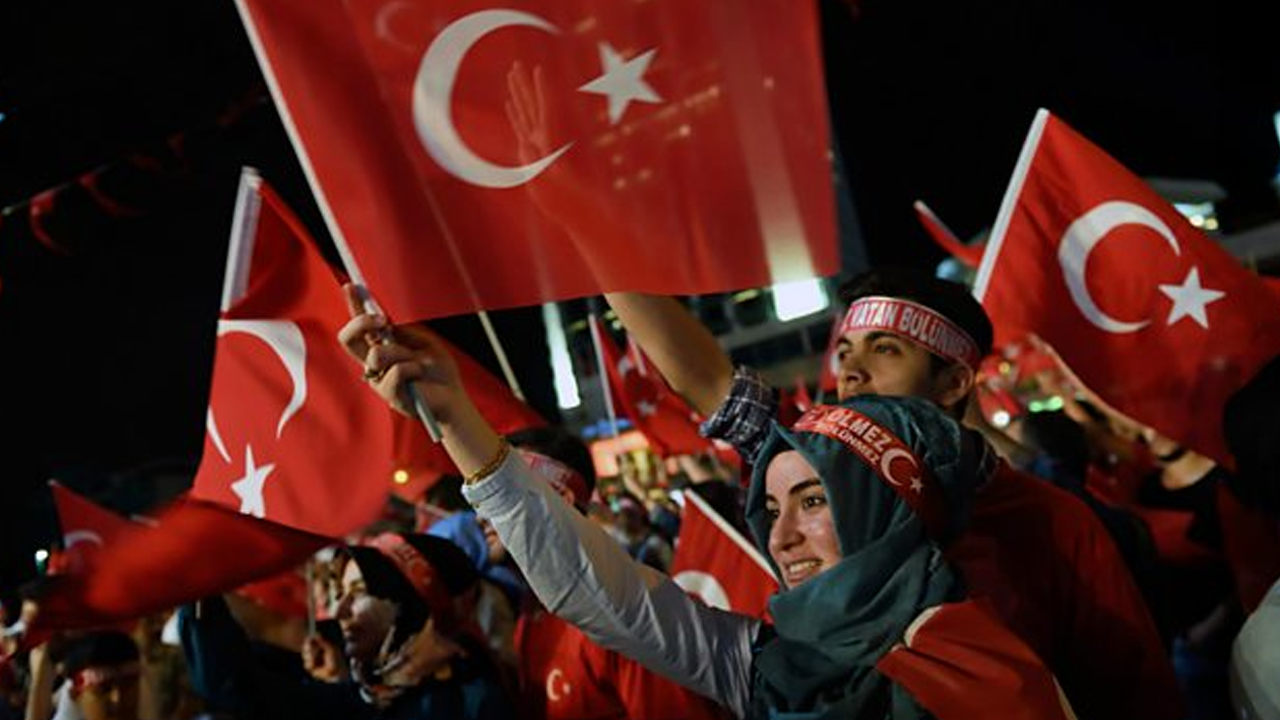
On July 15, 2016, Turkey witnessed a failed military coup attempt marked by tanks on the streets, air raids, and a bombing of the parliament building. Citizens responded to President Recep Tayyip Erdogan’s call and thwarted the coup within hours, leaving 253 people dead. The event triggered sweeping political, institutional, and foreign policy changes that continue to shape the country a decade later.
Following the coup, the government declared a state of emergency lasting until 2018 and launched the largest purge in Turkish history. Thousands of soldiers, judges, police officers, academics, and civil servants were detained or dismissed for alleged links to cleric Fethullah Gulen’s network, which authorities blamed for the coup. Critics argued the purge was used to silence dissent. In 2017, a referendum replaced the parliamentary system with a powerful presidential model, consolidating authority under Erdogan. International organizations reported declining judicial independence and press freedom, with Turkey ranking 163rd in the 2026 press freedom index.
The coup attempt also ended the military’s traditional political role, placing the armed forces firmly under civilian control. Turkey’s foreign policy became more security-focused, marked by operations in northern Syria and closer ties with Russia despite tensions with the United States and stalled EU accession talks.