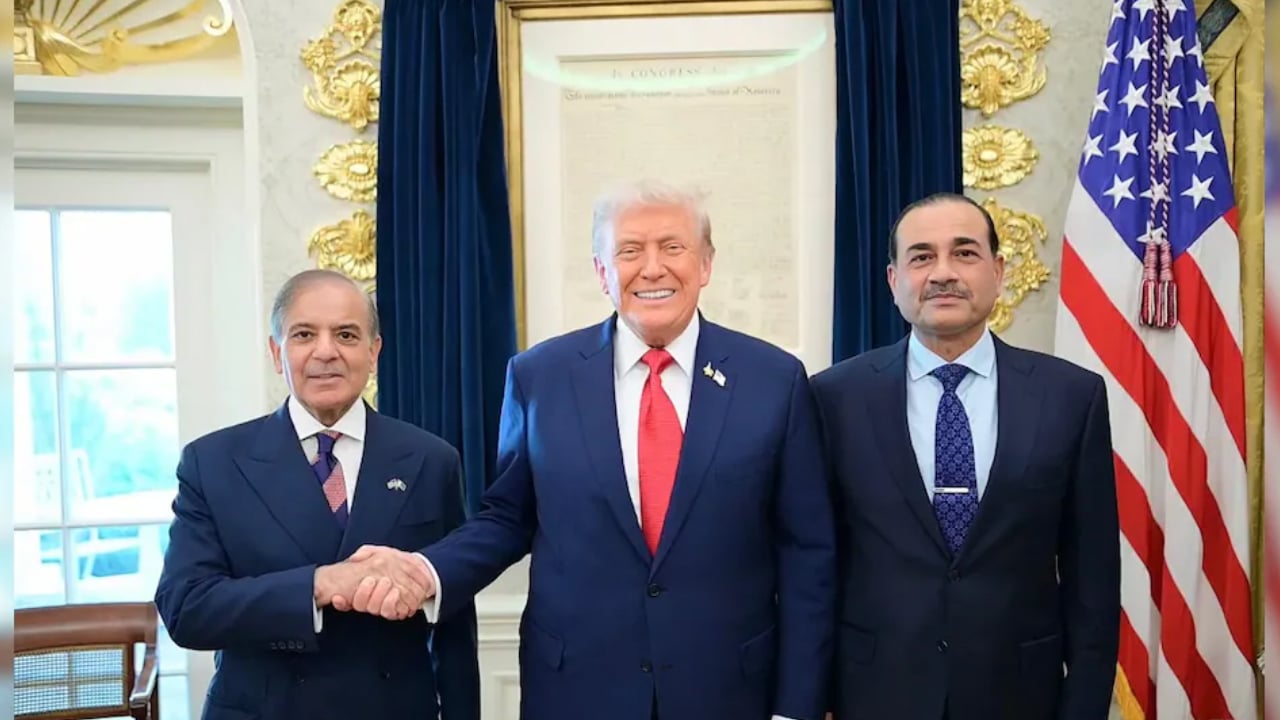
Pakistan has drawn renewed international attention following the announcement of a memorandum of understanding between Iran and the United States aimed at resolving their ongoing conflict. Prime Minister Shehbaz Sharif claimed that Pakistan played a mediating role in the agreement, known as the ‘Islamabad Memorandum of Understanding’. According to him, both presidents signed the deal electronically, agreeing to reopen the Strait of Hormuz and lift the US naval blockade. Sharif also thanked the leaders of Qatar, Saudi Arabia, Turkey, and Egypt for their support in the process.
Analysts described this as one of Pakistan’s most significant diplomatic achievements in recent history. The Iran-centered tensions had previously affected global energy markets, but oil prices fell and stock markets improved after the announcement. Observers noted that this success has created discomfort for India, which has long sought to isolate Pakistan internationally.
Experts attributed Pakistan’s rising global importance to its large Muslim population, military strength, nuclear capability, and strategic geography linking South and Central Asia. However, internal challenges such as insurgency, political instability, and economic dependence on IMF support remain major concerns.