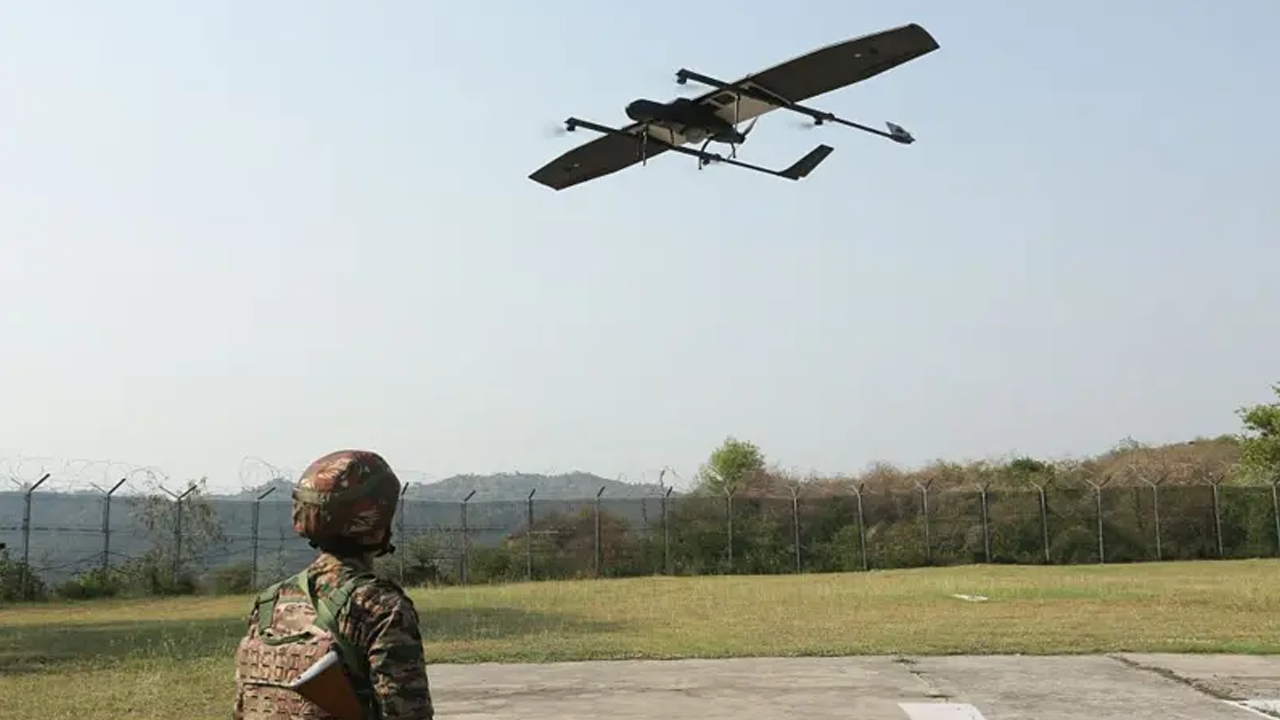
India and Pakistan are reconfiguring their military doctrines following their first large-scale drone conflict in May 2025. The four-day confrontation, triggered by India’s Operation Sindur after a deadly attack in Pahalgam, marked a turning point in South Asian warfare. Both nations deployed advanced unmanned aerial systems such as loitering munitions and swarm drones, revealing new vulnerabilities and prompting urgent defense reforms.
Indian military leaders have since acknowledged the growing drone threat and are drafting a nationwide counter-drone policy. Data show over 1,800 drones were detected along the India-Pakistan border between late 2024 and late 2025, many allegedly used for smuggling. Pakistan’s defense experts also report increasing reliance on drones for surveillance and counterterrorism operations. Both sides are investing in kinetic and non-kinetic defense systems to neutralize aerial threats.
India is expanding domestic drone production and integrating artificial intelligence into swarm operations, while Pakistan continues to acquire armed drones from Turkey and China. Analysts caution that while drones enhance tactical efficiency, they may not fundamentally alter strategic stability between the two nuclear-armed neighbors.