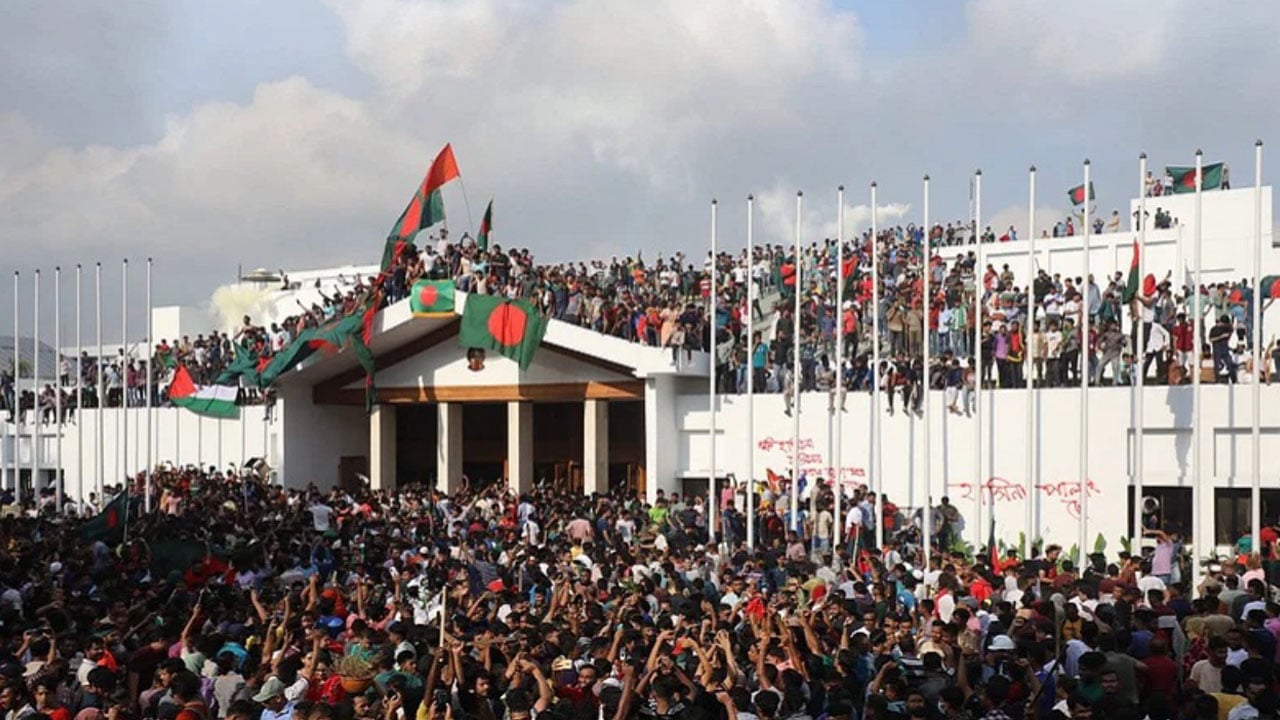
Journalist Tasneem Khalil raised a key question on whether Bangladesh’s interim government can campaign for a ‘Yes’ vote in the upcoming referendum following the 2024 uprising. The article by Dr. M L Raihan argues that this issue is deeply tied to democracy, legitimacy, and the post-uprising transition process. The August 5, 2024 uprising ended a 16-year authoritarian rule and led to the formation of reform commissions under Chief Adviser Dr. Muhammad Yunus. A National Consensus Commission led by Dr. Ali Riaz built broad political agreement to present reform proposals for public approval through a referendum.
The author maintains that the government’s advocacy for the reforms is constitutionally and morally justified, as it reflects a collective mandate rather than partisan interest. Historical precedents from Bangladesh in 1978 and 1991–92 are cited to show that governments have previously campaigned for their referendum positions. International examples from South Africa, Chile, Tunisia, and Nepal are also mentioned to support active governmental roles during democratic transitions.
The article concludes that promoting a ‘Yes’ vote is not coercive but a responsible effort to uphold the uprising’s mandate and guide the nation toward a reformed democratic structure.