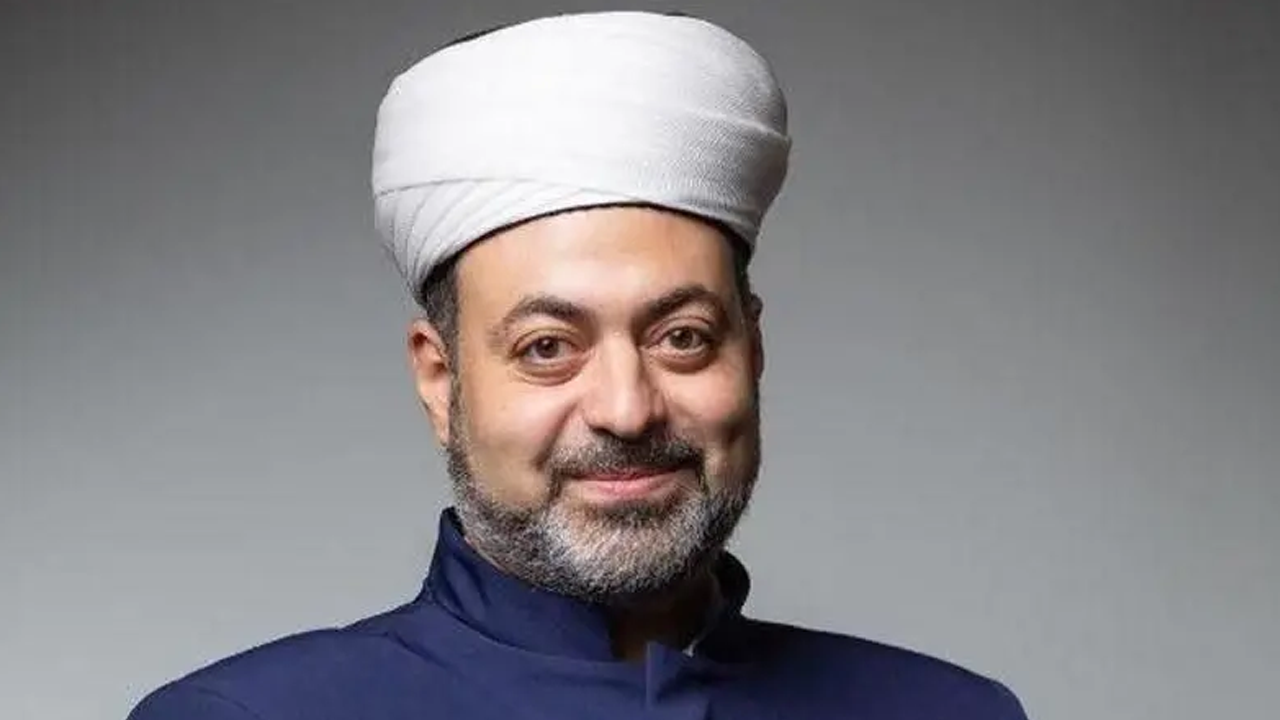
In May 2026, Russian security forces detained at least eight Muslim clerics and community representatives across several regions, including Karelia, Mordovia, and St. Petersburg. Among those arrested were former mufti Wisam Bardwil and deputy mufti Al-Kheikh Nidal Awadullah Ahmed. The arrests were made on charges ranging from bribery to disobedience, while some media outlets alleged links to the banned Muslim Brotherhood. State-aligned commentators and far-right groups welcomed the crackdown, portraying it as a move against extremism.
The arrests coincided with growing controversy over a proposed law restricting group prayers in residential buildings, which Muslim leaders said violated constitutional rights. Ravil Gainutdin, head of the Spiritual Board of Muslims of Russia (DUM), publicly rejected claims that his organization was linked to extremism but avoided direct mention of the detentions. Independent and exiled media suggested the crackdown reflected rising Islamophobia and tightening state control over religious institutions.
Analysts noted that the developments highlight the Kremlin’s complex relationship with Russia’s large Muslim population, where loyalty to state policy has long been a condition for religious tolerance.