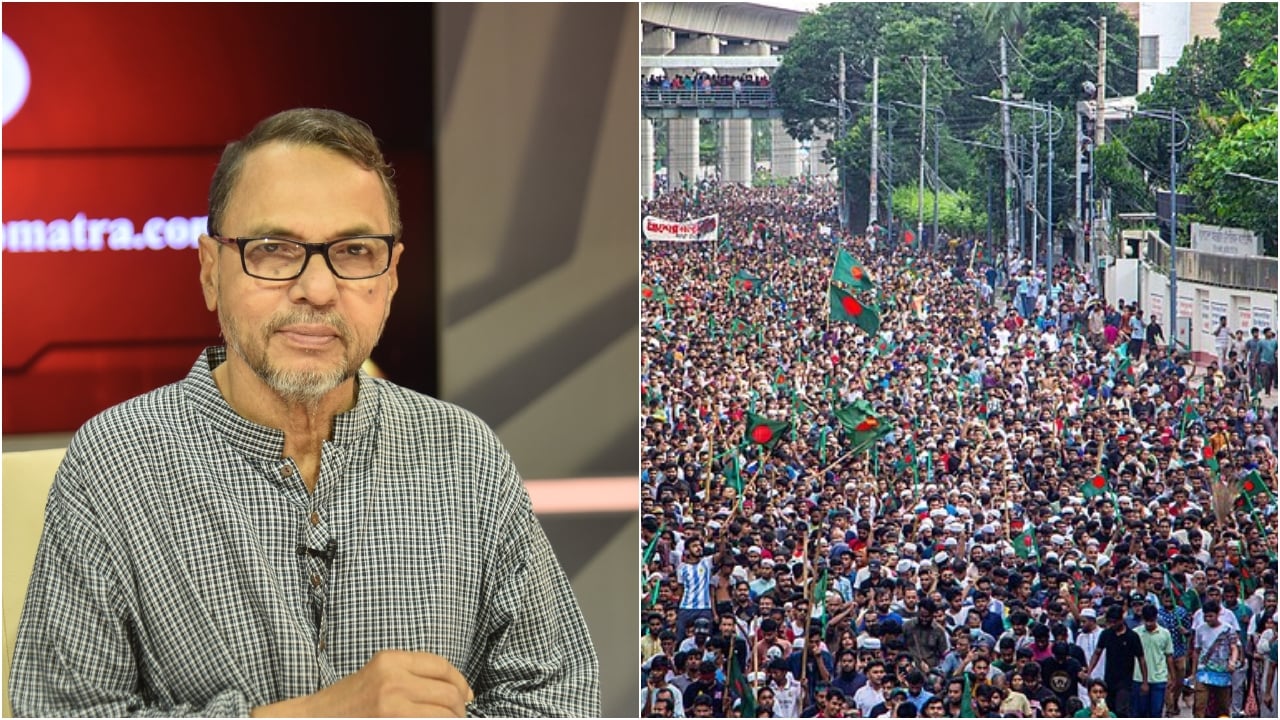
Political analyst Abdul Latif Masum, in an article published on August 5, 2026, assesses Bangladesh’s achievements and shortcomings ahead of the second anniversary of the July 2024 mass uprising. He argues that the movement was rooted not only in quota reform protests but also in accumulated anger over alleged voter disenfranchisement, repression, politicisation and suppression of dissent. In his account, the August 5 mass mobilisation ended authoritarian rule and marked a renewed effort to reclaim citizens’ sovereignty.
The article identifies the breaking of fear, youth political awakening, and broader public focus on inequality, accountability and reform as major gains. It credits the interim government led by Professor Dr Muhammad Yunus with stabilising the economy, forming reform commissions and producing the July National Charter on October 17, 2025. Masum also describes the February 12, 2026 election and referendum as an important return to democratic governance.
He nevertheless cites public order concerns, rising essential-goods prices, delayed justice for the July killings and disputes over implementing the charter as serious shortcomings. Masum urges that disagreements be resolved through parliament, courts and dialogue rather than street clashes, calling for a time-bound implementation roadmap, speedy trials, neutral institutions and minimum national unity.