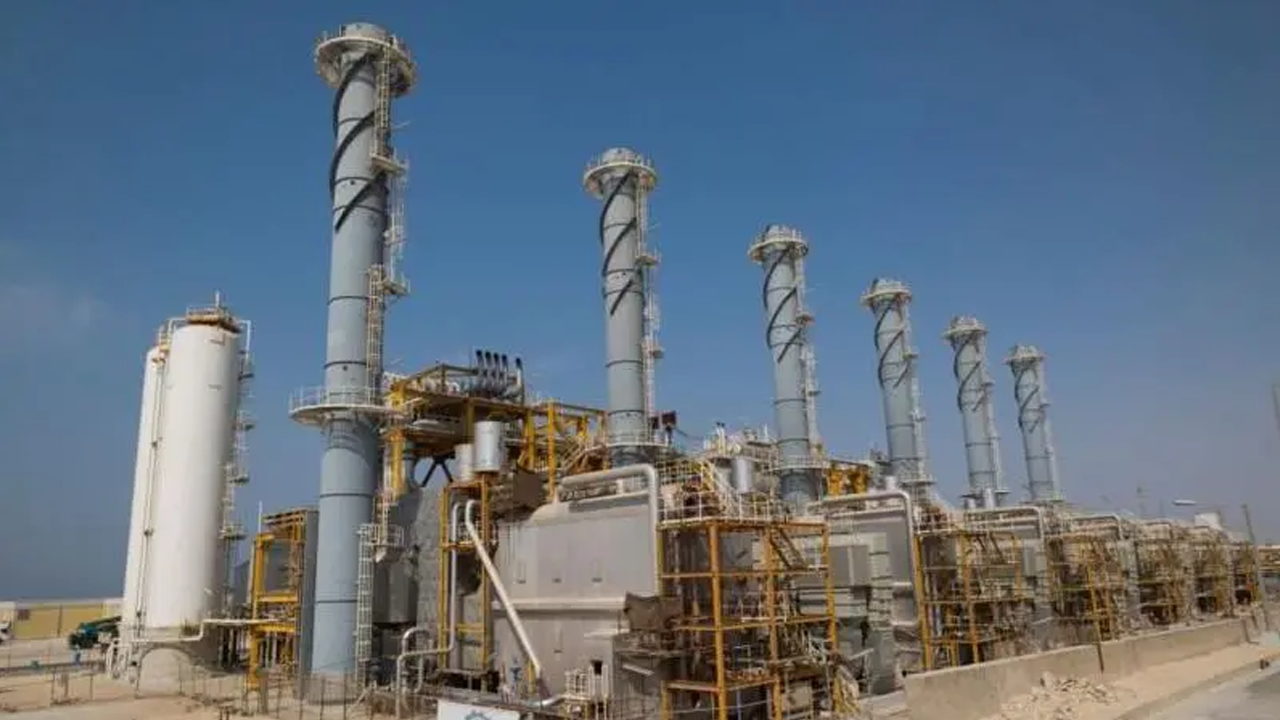
The Middle East, particularly the Persian Gulf region, holds the world’s largest oil and gas reserves due to unique geological conditions formed over millions of years. The area contains more than 30 supergiant oil fields, each with at least five billion barrels of crude oil, and produces two to five times more oil per well than top fields in the North Sea or Russia. These vast hydrocarbon resources have made the region both a blessing and a source of geopolitical tension, as global energy markets react sharply to regional conflicts.
Geologists attribute this abundance to the collision of the Arabian and Eurasian tectonic plates, which created folded and fractured rock structures ideal for trapping hydrocarbons. The region’s limestone formations, rich in organic material from the Jurassic and Cretaceous periods, serve as high-quality source and reservoir rocks. Saudi Arabia’s Ghawar field and the South Pars–North Dome gas field are among the largest examples.
According to the U.S. Geological Survey, despite over a century of extraction, the Arabian Peninsula and Zagros Mountains may still hold around 86 billion barrels of undiscovered oil and 9.5 trillion cubic meters of gas, with new drilling technologies offering potential for increased production.