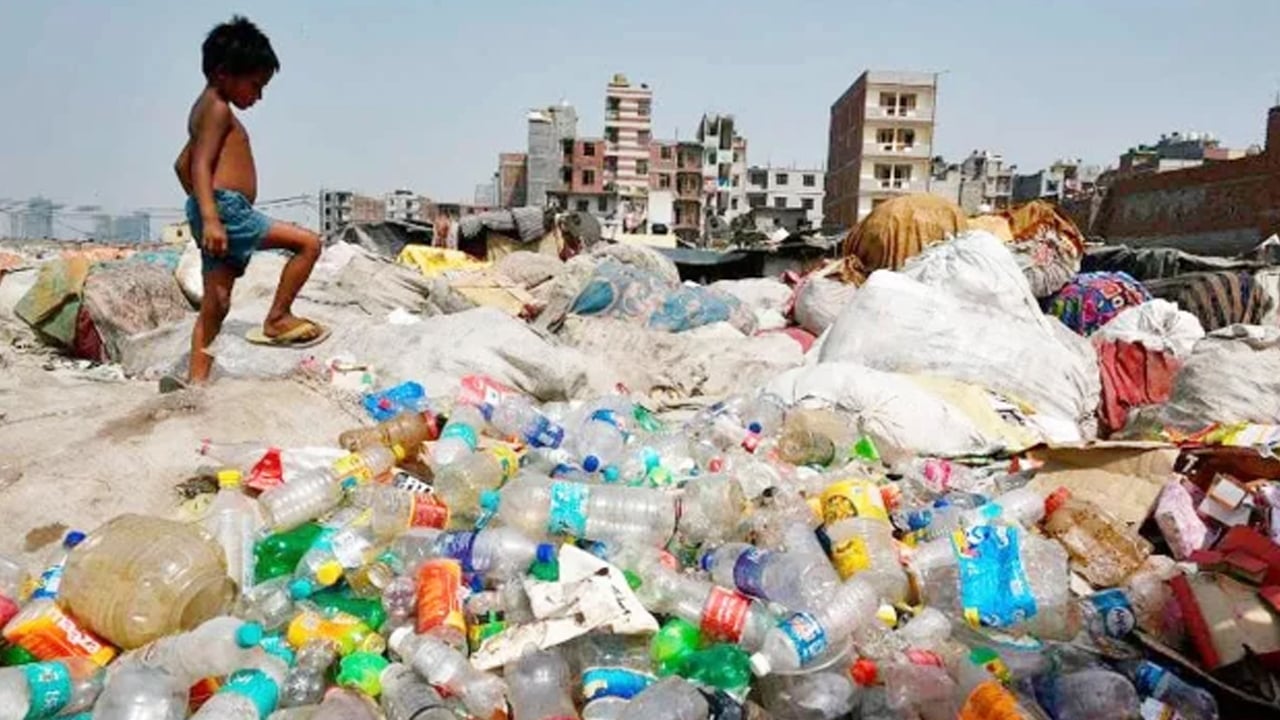
Bangladesh is facing an escalating plastic pollution crisis, with about 3.9 million tons of plastic waste contaminating its water bodies, forests, and farmland each year. Only 19 percent of this waste is recycled, while the remaining 81 percent ends up in landfills and rivers, worsening environmental degradation. The widespread use of single-use plastics has intensified the problem, releasing toxic chemicals into soil and water and contributing to air pollution when burned. Dhaka has become one of the world’s most polluted cities, and microplastics have entered the food chain, posing serious health risks.
The article highlights that coastal areas such as Chattogram are suffering from marine pollution that threatens biodiversity, while poor communities face health hazards from burning plastic for livelihood. Scientists warn of long-term health impacts, and the economic cost of pollution is rising, with health expenditures consuming about three percent of GDP. The author calls for urgent government, civil society, and private sector collaboration to implement waste segregation, ban single-use plastics, and promote recycling.
The report emphasizes adopting a zero-waste system, strengthening recycling infrastructure, and encouraging natural alternatives like jute and bamboo products. Strong political commitment, public awareness, and producer responsibility policies are deemed essential for Bangladesh to transition toward a sustainable, circular economy.