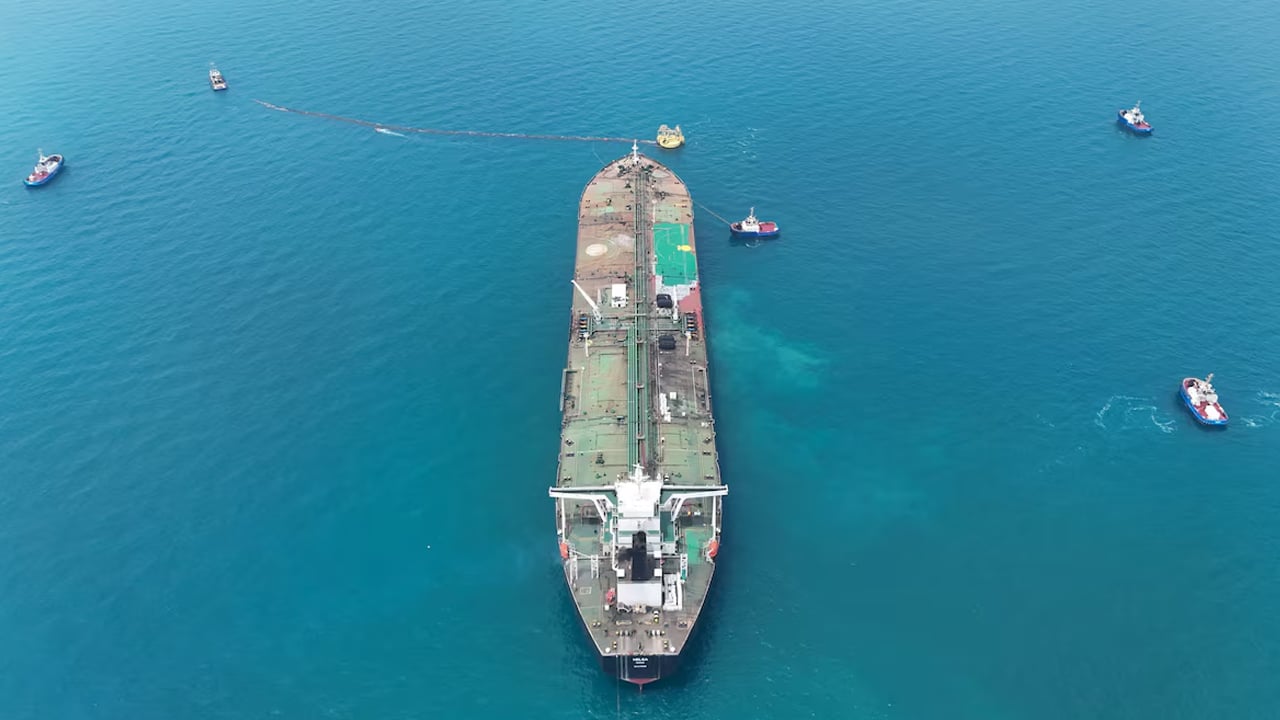
Diplomatic efforts to ease tensions between the United States and Iran have reached a deep stalemate, following failed mediation talks in Islamabad on April 13. Since then, the closure of the Hormuz Strait has disrupted global trade, causing severe shortages of fuel and fertilizer. The United States has imposed a strict naval blockade targeting Iranian ports, seizing or turning back Iran-linked vessels in the Gulf and Asia-Pacific regions, which Tehran has denounced as piracy. In retaliation, Iran has halted all maritime traffic through the Strait and seized several foreign commercial ships.
A new opportunity for diplomacy collapsed when US President Donald Trump announced that his delegation would not meet Iranian officials in Islamabad. At that time, Iranian Foreign Minister Abbas Araghchi was in Oman before traveling to Russia, where he met President Vladimir Putin and praised Moscow’s steadfast support. Meanwhile, Washington said it is considering a new Iranian proposal to end the conflict and reopen the Strait, focusing on resolving the current crisis while suspending nuclear program talks.
Trump later claimed Iran was on the verge of collapse and urged Tehran to act wisely, asserting that Iran had requested the lifting of the US blockade on its ports.