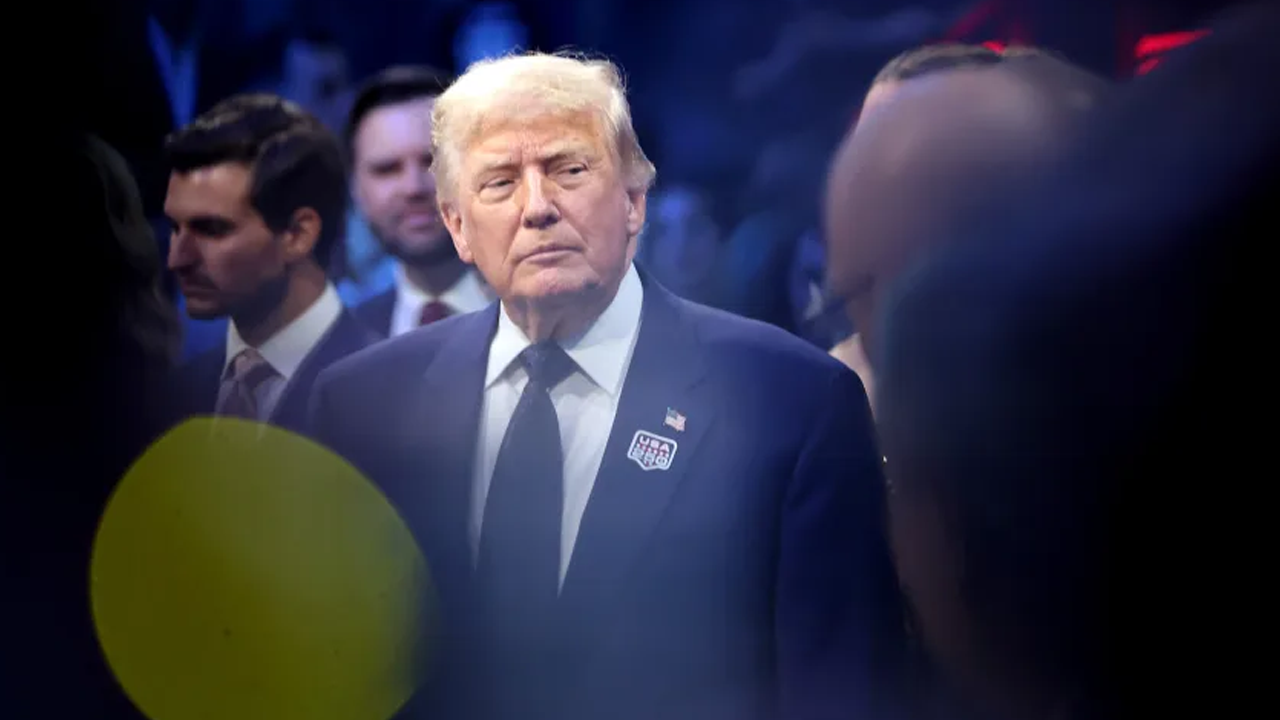
U.S. President Donald Trump unexpectedly pushed for the immediate signing of a deal with Iran on Wednesday at France’s Versailles Palace, surprising French President Emmanuel Macron and his own advisers. Although a formal ceremony had been scheduled two days later in Lucerne, Switzerland, Trump insisted on finalizing the agreement that night with Macron’s assistance. The deal was signed in the palace’s Lower Gallery, but subsequent violence between Israel and Hezbollah in Lebanon led Iran to withdraw from the process, canceling the planned Lucerne event.
The agreement drew sharp criticism within the United States, including from Trump’s supporters. Senate Armed Services Chairman Roger Wicker described the $300 billion reconstruction fund in the deal as excessive compared to the Obama-era Iran accord. Trump defended his decision online, claiming U.S. military strength forced Iran to negotiate and that no funds would be released for 60 days.
The rushed signing followed months of conflict, falling global oil reserves, and Republican concerns over economic fallout before midterm elections. Internal divisions persisted, with intelligence and defense officials doubting Iran’s compliance, while economic and energy advisers urged an end to the costly war.