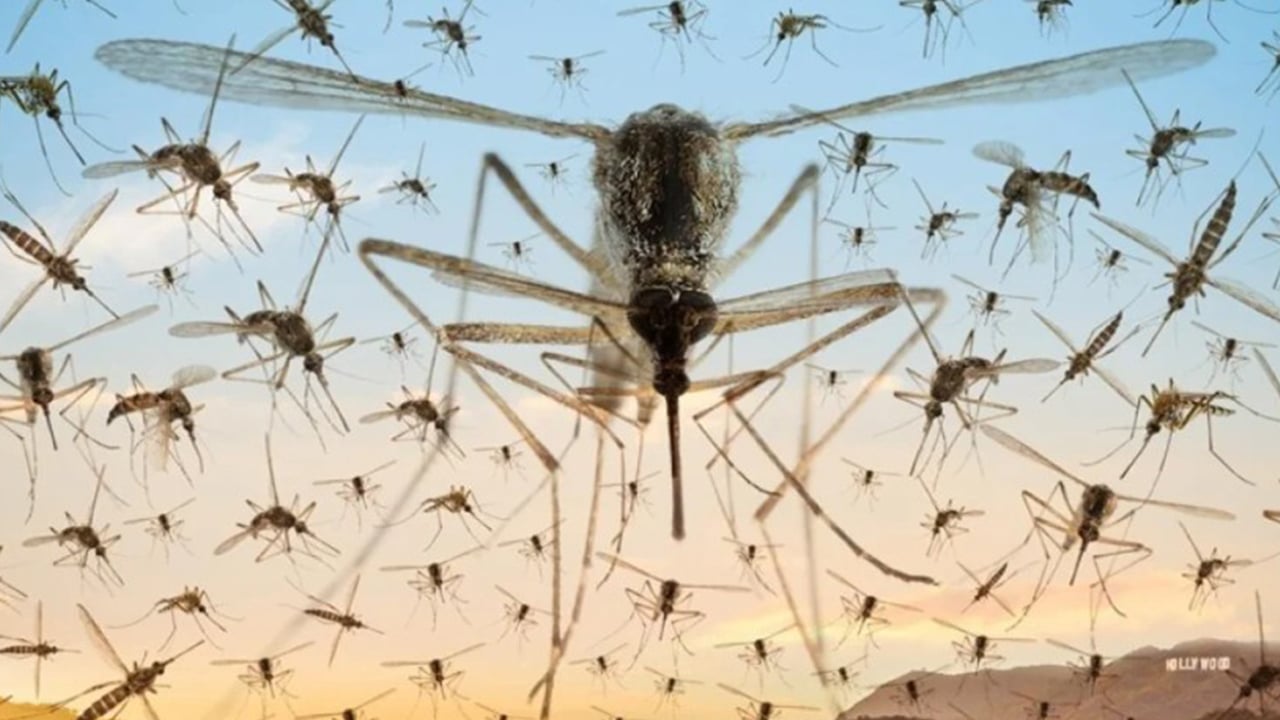
The US Environmental Protection Agency (EPA) is reviewing a proposal to release about 64 million bacteria-infected mosquitoes in California and Florida under Google’s life sciences project, Debug. The initiative aims to introduce a natural bacterium called Wolbachia into lab-bred male mosquitoes and release them into the wild to curb the population of the Southern House Mosquito, a species known for spreading the West Nile virus.
The process exploits a biological mechanism called cytoplasmic incompatibility, which prevents reproduction when Wolbachia-infected males mate with uninfected females. Since male mosquitoes do not bite humans, the project poses no risk of disease transmission. Scientists from the University of California and the University of Florida have expressed support, describing the method as safer and more environmentally friendly than chemical pesticides.
Google is using robotics and artificial intelligence to automate mosquito breeding and sex separation, ensuring only males are released. The system employs AI-driven cameras and sensors to identify and exclude females before drones and automated devices distribute the insects into the environment.