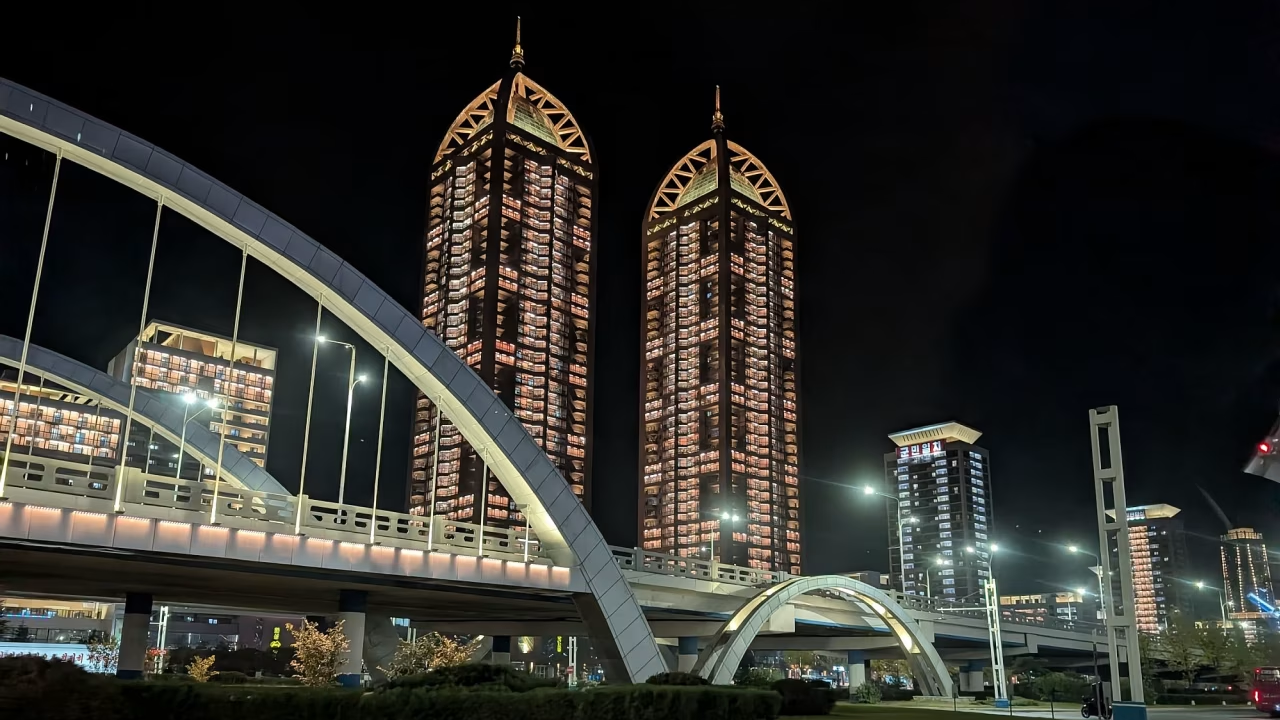
A recent report has challenged long-held assumptions that North Korea’s economy remains stagnant under international sanctions and isolation. Observations suggest signs of partial stability and limited progress, particularly through defense cooperation with Russia and cross-border trade with China. These channels reportedly bring in foreign currency and essential goods, helping sustain certain state and sectoral activities.
Experts cited in the report note that strategic exports, including weapons and industrial products, continue to generate revenue despite sanctions. Informal and formal trade with China is said to have maintained some economic steadiness. In Pyongyang, new urban economic activities such as digital services, mobile technology expansion, and consumer market trends indicate a growing urban middle class with increased spending capacity.
However, analysts caution that these developments may not reflect nationwide improvement. Growth appears concentrated in specific urban and state-linked sectors, potentially widening income inequality. Despite emerging signs of vitality, structural constraints and international pressure continue to pose major risks to North Korea’s long-term economic stability.