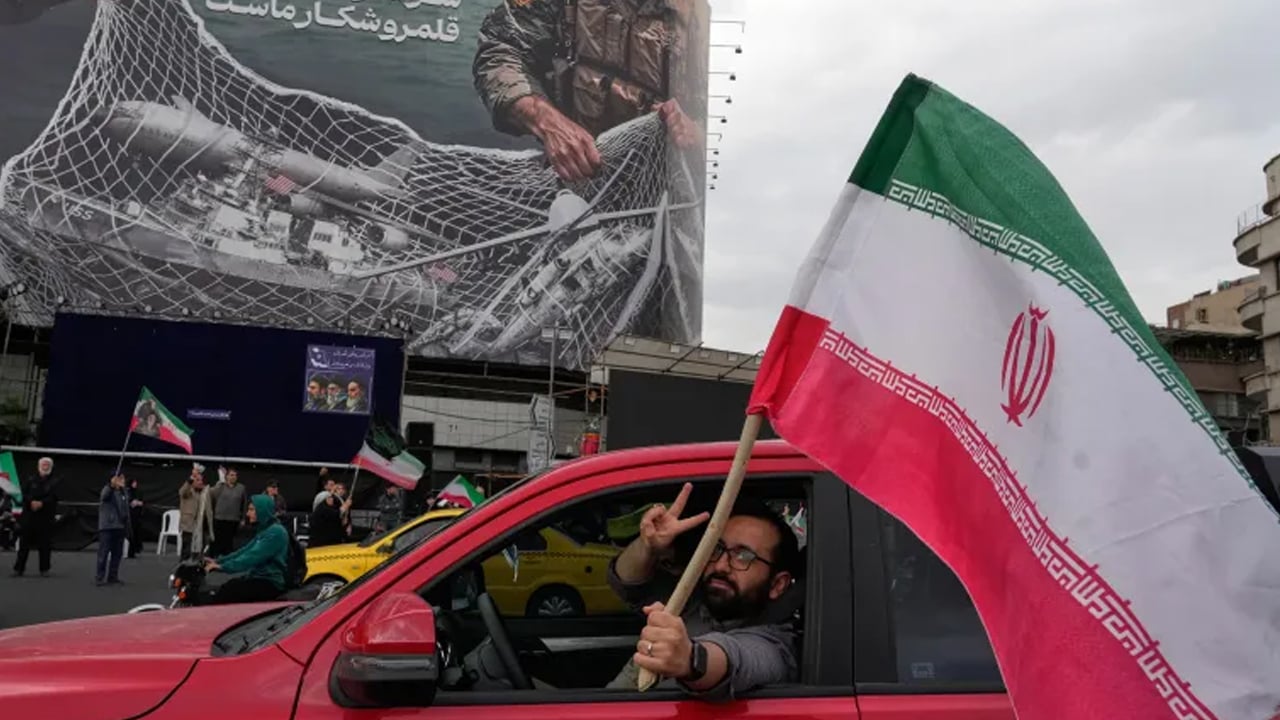
As the second round of negotiations between the United States and Iran aimed at ending their conflict gains momentum, Tehran’s frozen assets abroad have emerged as a key point of contention. Before the first ceasefire talks began in Pakistan on April 10, Iranian parliament speaker Mohammad Bagher Ghalibaf stated that the release of Iran’s blocked funds in foreign banks must precede any discussions. Reports from Islamabad suggested Washington might release part of the assets, but the US government quickly denied this, insisting the funds remain frozen.
Iran’s total frozen assets are estimated to exceed $100 billion, largely derived from hydrocarbon sales. These funds are held in several countries, including China, India, Iraq, Japan, Qatar, Luxembourg, and the United States. Iran argues that freeing at least $6 billion would serve as a confidence-building measure in the talks. Experts note that releasing the assets could significantly ease Iran’s economic crisis, strengthen its currency stability, and reduce domestic unrest. Analysts also suggest that any US decision to unfreeze the funds would carry major diplomatic implications for regional and international relations.