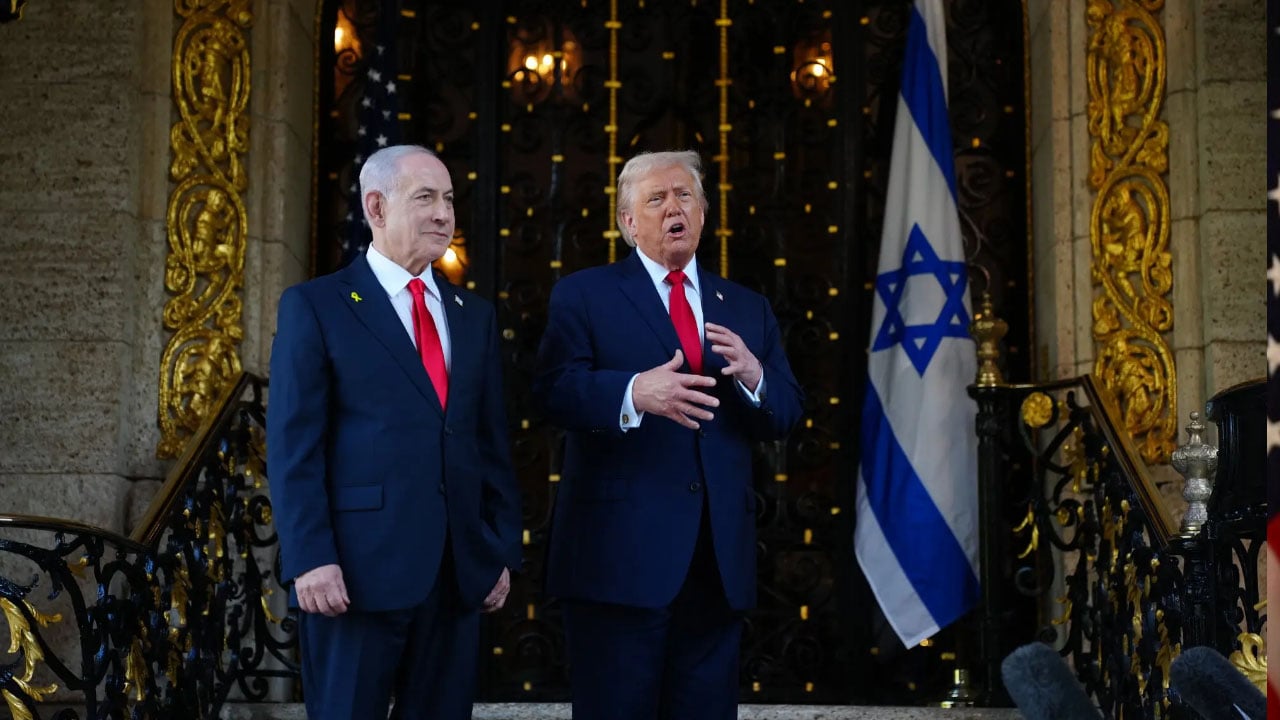
In late February, Israeli Prime Minister Benjamin Netanyahu led discussions with U.S. President Donald Trump ahead of joint attacks on Iran, predicting the Islamic Republic’s collapse. However, within weeks, the situation reversed. Israeli defense officials said the Trump administration sidelined Israel from U.S.-Iran ceasefire talks, leaving it dependent on regional contacts and intelligence sources for information. The shift marked a sharp decline in Israel’s influence over wartime decisions.
Netanyahu, who had long portrayed himself as uniquely capable of managing Trump, now faces political and strategic fallout. His initial war goals—toppling Iran’s regime, destroying its nuclear program, and eliminating its missile capabilities—remain unfulfilled. Instead, Washington proposed a 20-year moratorium on Iran’s nuclear activities, excluding Israel from key negotiations. U.S. officials also pressured Israel to halt further strikes after disagreements over bombing Iranian energy sites.
The episode has left Israel appearing more as a subordinate than an equal ally. With elections approaching, Netanyahu confronts domestic frustration over unmet war objectives and diminished autonomy in dealing with Washington.